
The ancient science of Ayurveda, an ancestral tradition originating from the Indian subcontinent, offers a profound framework for understanding the intricate relationship between human physiology and the natural world. Central to this wisdom is the realization that health is not merely the absence of disease but a state of vibrant equilibrium among the mind, body, and spirit. By mastering the Ayurvedic diet, individuals can cultivate a resilient internal environment that fosters longevity and vitality.
This comprehensive guide delineates five foundational steps designed to assist beginners in navigating the complexities of Ayurvedic nutrition. Through the application of these timeless principles, one may harmonize their unique biological constitution with the rhythms of nature, thereby achieving a state of holistic wellness that is both sustainable and transformative.
Step 1: Identifying the Constitutional Blueprint and Current Imbalances
Before one can implement dietary modifications, it is essential to understand the fundamental energies that govern their physical and mental states. In the Ayurvedic tradition, every human being possesses a unique "Prakriti," or original constitution, which is determined at the moment of conception. This constitution is composed of varying proportions of the three doshas: Vata, Pitta, and Kapha.
Vata is characterized by the elements of air and space; it governs movement, respiration, and the nervous system. Individuals with a dominant Vata constitution often exhibit qualities such as lightness, coldness, and dryness. Conversely, Pitta is comprised of fire and water, regulating metabolism, digestion, and body temperature. Those with a Pitta-predominant nature typically demonstrate intensity, heat, and sharp intellect. Finally, Kapha is formed from earth and water, providing structure, stability, and lubrication to the body.
Furthermore, it is crucial to distinguish between one's Prakriti and their "Vikriti," which represents the current state of imbalance. External factors such as stress, environmental changes, and improper nutrition can cause one or more doshas to become aggravated. To begin this journey of self-discovery, one may find it beneficial to learn how to determine your dosha through a professional consultation or a systematic self-assessment. Once the primary imbalance is identified, the path toward restoration becomes clear.
Step 2: Applying the Law of Opposites to Nutritional Selection
The cornerstone of Ayurvedic dietetics is the "Law of Opposites," which posits that "like increases like, and opposites create balance." Consequently, if an individual experiences an excess of a particular quality: such as heat or dryness: they must introduce foods that possess the contrary attributes to restore harmony.
Harmonizing Vata: Warmth and Grounding
When Vata is elevated, an individual may experience anxiety, irregular digestion, or physical coldness. To pacify this mobile energy, one should emphasize foods that are warm, moist, and grounding. Cooked grains, root vegetables, and nourishing stews are highly recommended.
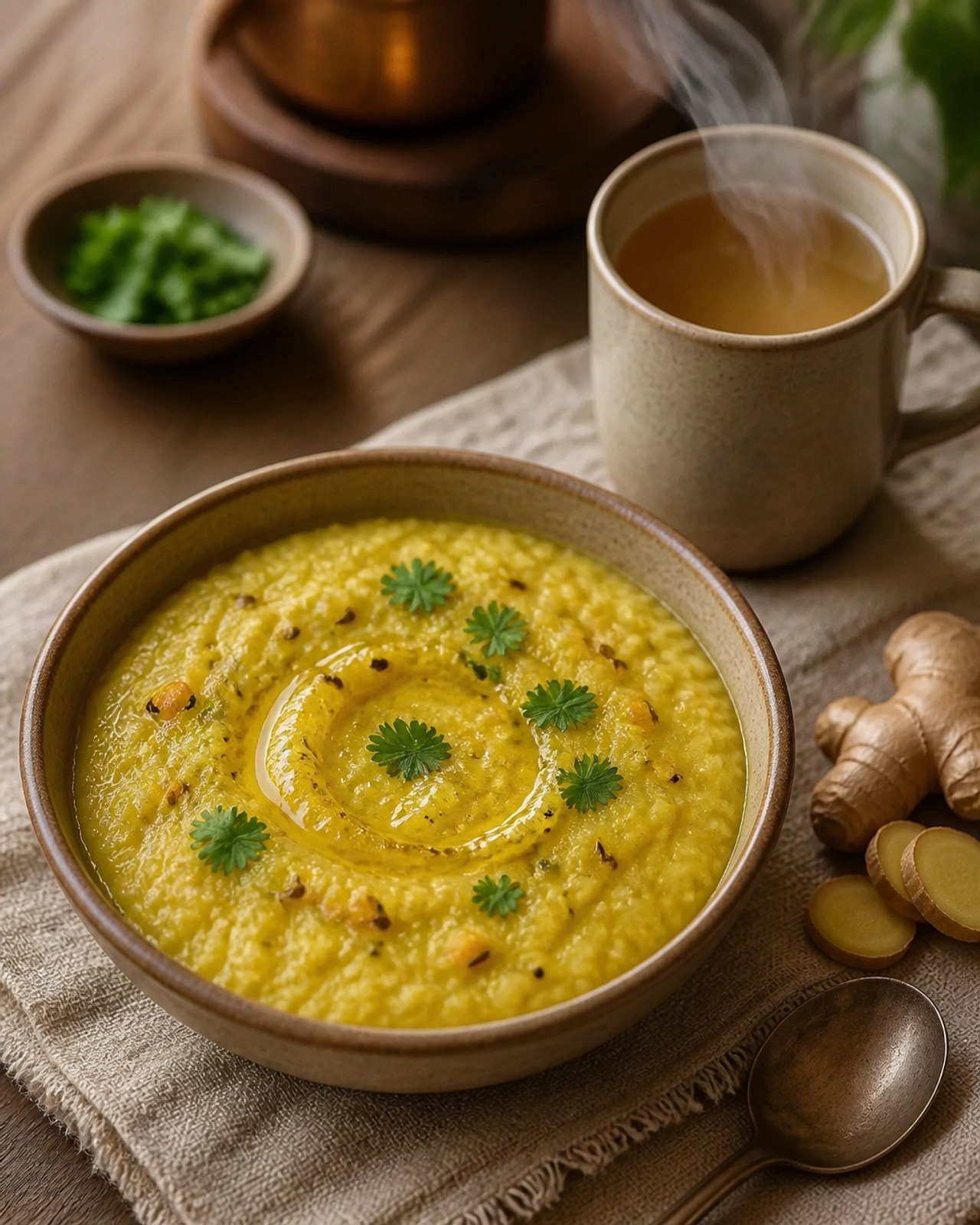
Additionally, the inclusion of healthy fats: such as ghee or high-quality oils: is vital for lubricating the internal tissues and stabilizing the nervous system. One should strictly avoid raw vegetables, frozen desserts, and excessive stimulants like caffeine, as these substances exacerbate the cold and light qualities of Vata.
Soothing Pitta: Cooling and Moderation
A Pitta imbalance often manifests as inflammation, acidity, or irritability. To counter the inherent heat of this dosha, the diet should focus on cooling, refreshing, and mildly flavored foods. Leafy greens, cucumbers, and sweet fruits serve as excellent choices for dispersing internal heat.
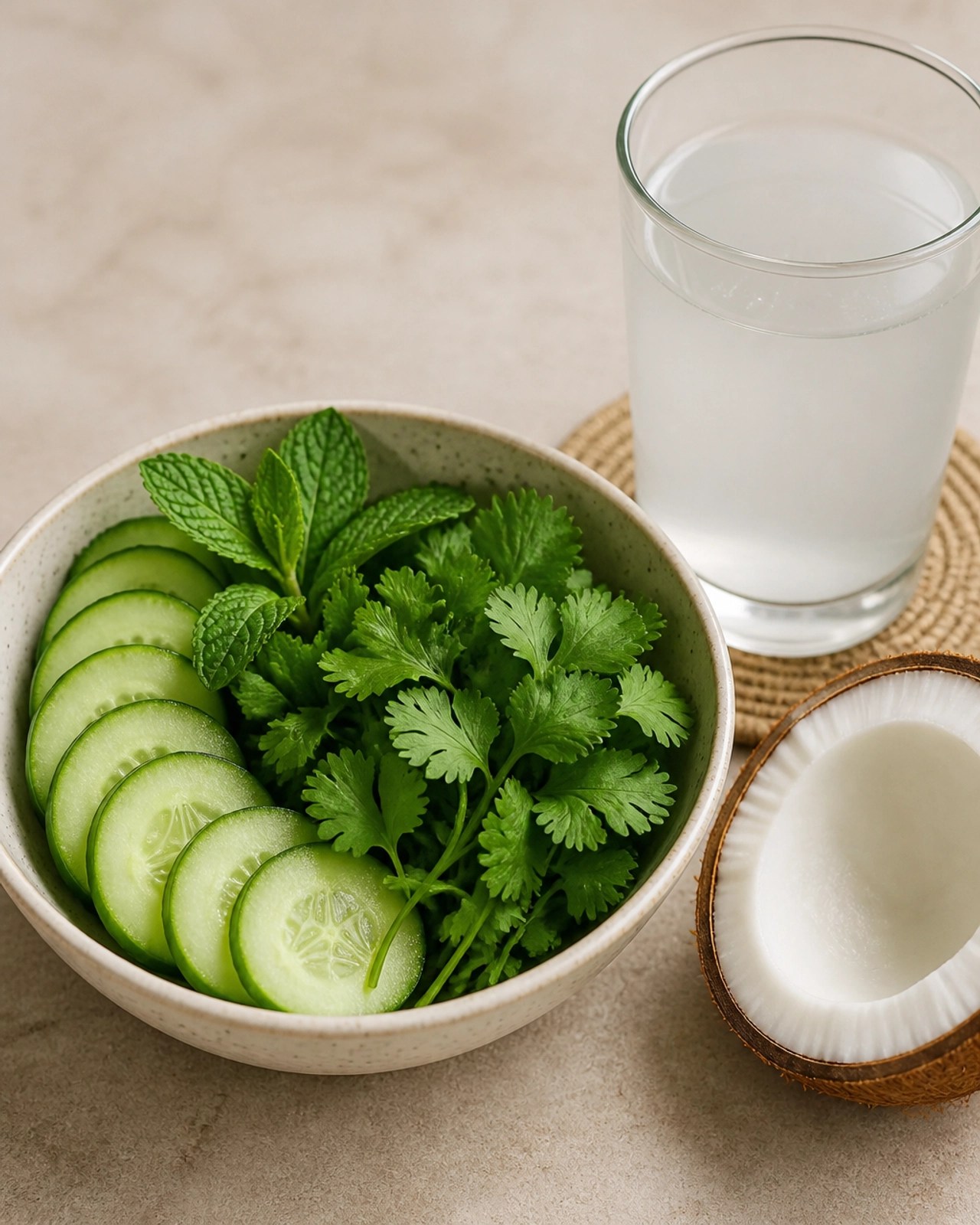
Furthermore, cooling spices such as fennel, coriander, and cardamom should be favored over pungent varieties like chili or black pepper. It is prudent to limit the intake of fermented foods, vinegar, and alcohol, as these substances possess a heating "Usna" quality that can further aggravate the Pitta fire.
Energizing Kapha: Lightness and Vitality
When Kapha becomes excessive, it leads to sensations of heaviness, lethargy, and congestion. To stimulate the sluggish nature of this dosha, the diet must incorporate light, warm, and spicy elements. Pungent, bitter, and astringent tastes are particularly effective at clearing excess moisture and stagnation.
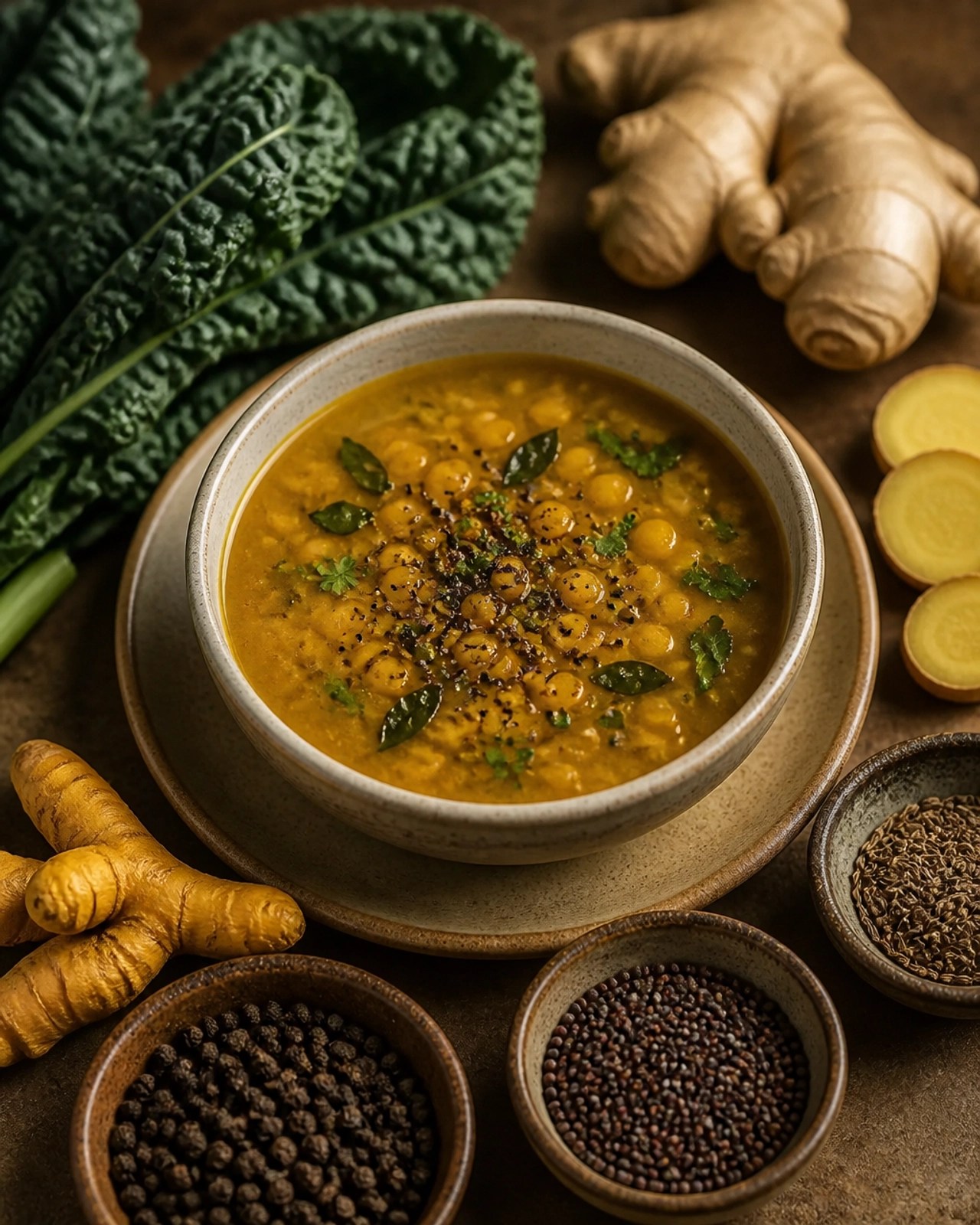
Legumes, steamed cruciferous vegetables, and an abundance of warming spices: such as ginger and mustard seeds: should form the basis of the Kapha-pacifying regimen. Conversely, one should reduce the consumption of heavy dairy products, refined sugars, and fried foods, which contribute to the accumulation of "Ama," or metabolic toxins.
Step 3: Cultivating Digestive Potency (Agni)
In Ayurveda, the strength of one’s "Agni," or digestive fire, is considered the most significant determinant of overall health. It is believed that even the most nutritious food can become toxic if the Agni is insufficient to process it properly. Therefore, the third step in mastering the Ayurvedic diet involves the conscious cultivation of digestive potency through mindful eating habits.
To support Agni, one should prioritize regular meal times, ensuring that the body anticipates and prepares for the arrival of nourishment. The largest meal of the day should ideally be consumed at midday, between 12:00 PM and 2:00 PM, when the solar energy is at its peak and the internal digestive fire is most robust. Conversely, dinner should be light and consumed well before sleep to prevent the accumulation of undigested matter overnight.
Additionally, the temperature of what we consume plays a pivotal role. Ayurveda recommends sipping warm water or herbal infusions throughout the day while avoiding ice-cold beverages, which can extinguish the delicate flame of Agni. Practicing mindfulness during meals: by sitting quietly and focusing on the sensory experience of eating: allows the nervous system to remain in a "rest and digest" state, thereby maximizing nutrient absorption and metabolic efficiency.
Step 4: Synchronizing Nutritional Choices with Natural Rhythms
The human body is an extension of the macrocosm; therefore, it is subject to the same seasonal shifts that occur in the environment. "Ritucharya," the Ayurvedic practice of seasonal living, dictates that dietary choices must evolve in response to the changing climate to maintain internal equilibrium.
During the cold, dry months of autumn and early winter, Vata naturally increases in the environment. During this period, it is essential to increase the intake of nourishing, oily, and warm foods to prevent dryness and depletion. As the season transitions into the damp and heavy qualities of late winter and spring, Kapha becomes the dominant force, requiring a shift toward lighter, more astringent, and stimulating fare to counter seasonal allergies and sluggishness.

In the height of summer, when the external heat is most intense, the body requires a Pitta-pacifying approach characterized by hydrating fruits and cooling vegetables. By observing seasonal eating in Ayurveda, individuals can proactively adjust their nutrition to prevent the seasonal accumulation of doshic imbalances before they manifest as physical discomfort.
Step 5: Implementing Supportive Lifestyle Rituals for Holistic Order
While diet provides the foundational fuel for the body, lifestyle rituals: known as "Dinacharya": provide the structure necessary for the doshas to remain in harmony. The fifth and final step involves integrating supportive practices that reinforce the benefits of an Ayurvedic diet.
Consistency is the most powerful tool for stabilizing the Vata dosha. Establishing a predictable routine for waking, exercising, and resting helps to ground the nervous system. For those experiencing Pitta aggravation, moderate exercise and time spent in nature can help to diffuse intensity and promote tranquility. Kapha-predominant individuals benefit significantly from vigorous movement and stimulating activities that counter their natural tendency toward stillness.
Furthermore, practices such as "Abhyanga," or Ayurvedic oil massage, serve to nourish the skin and calm the mind, while daily meditation fosters mental clarity and emotional resilience. When these lifestyle strategies are combined with a personalized nutritional plan, the result is a comprehensive approach to health that honors the historical depth of Ayurvedic wisdom while remaining profoundly relevant to the demands of modern living.
In conclusion, balancing the doshas through the Ayurvedic diet is a journey of refinement rather than a destination of perfection. By identifying one's unique constitution, applying the law of opposites, nurturing the digestive fire, aligning with the seasons, and embracing daily rituals, any beginner can unlock the secrets to a life of harmony and vitality. We invite you to explore the vast resources provided by the Ayurveda Alliance as you embark on this path toward holistic equilibrium and enduring wellness.