
The ancient wisdom of Ayurveda, a comprehensive system of medicine with roots extending back over five millennia, offers a profound framework for achieving holistic well-being. Central to this tradition is the sophisticated use of botanical substances, which are employed not merely as supplements, but as potent therapeutic agents designed to restore equilibrium to the mind, body, and spirit. As modern society increasingly turns toward natural alternatives for health optimization, the popularity of Ayurvedic herbs such as Ashwagandha, Turmeric, and Triphala has experienced a significant resurgence.
However, this increased accessibility has also fostered a series of misconceptions regarding their application. One must recognize that the efficacy of these sacred plants is deeply intertwined with specific principles of administration and individual physiology. Consequently, when these herbs are utilized without a thorough understanding of traditional methodology, the potential for diminished results or adverse effects increases. In the following sections, we shall examine seven prevalent mistakes individuals often commit when integrating Ayurvedic herbs into their wellness regimens and provide the necessary strategies to ensure a safe, balanced, and transformative experience.
1. Assuming "Natural" Equivalates to "Universally Harmless"
A pervasive misconception in the contemporary wellness landscape is the belief that because a substance is botanical in origin, it is inherently devoid of risk. In the context of Ayurveda, every substance: or Dravya: possesses distinct qualities (Gunas), tastes (Rasas), and post-digestive effects (Vipakas) that interact uniquely with the human constitution. These herbs are pharmacologically active and, when misapplied, may disrupt the delicate balance of the body.
Furthermore, an herb that serves as a vitalizing tonic for one individual may act as a source of agitation for another. For instance, while certain herbs are celebrated for their cleansing properties, their excessive use can lead to the depletion of vital tissues if not balanced with nourishing protocols. Therefore, it is essential to treat Ayurvedic herbs with the same reverence and caution one would accord to any medical intervention.
2. Neglecting Individual Constitution (Prakriti and Vikriti)
Ayurveda is predicated upon the principle of bio-individuality, acknowledging that each human being possesses a unique elemental blueprint known as Prakriti. This inherent constitution, comprised of the three Doshas: Vata, Pitta, and Kapha: governs physical structure, metabolic tendencies, and psychological traits. Additionally, one must consider Vikriti, which represents the current state of imbalance.
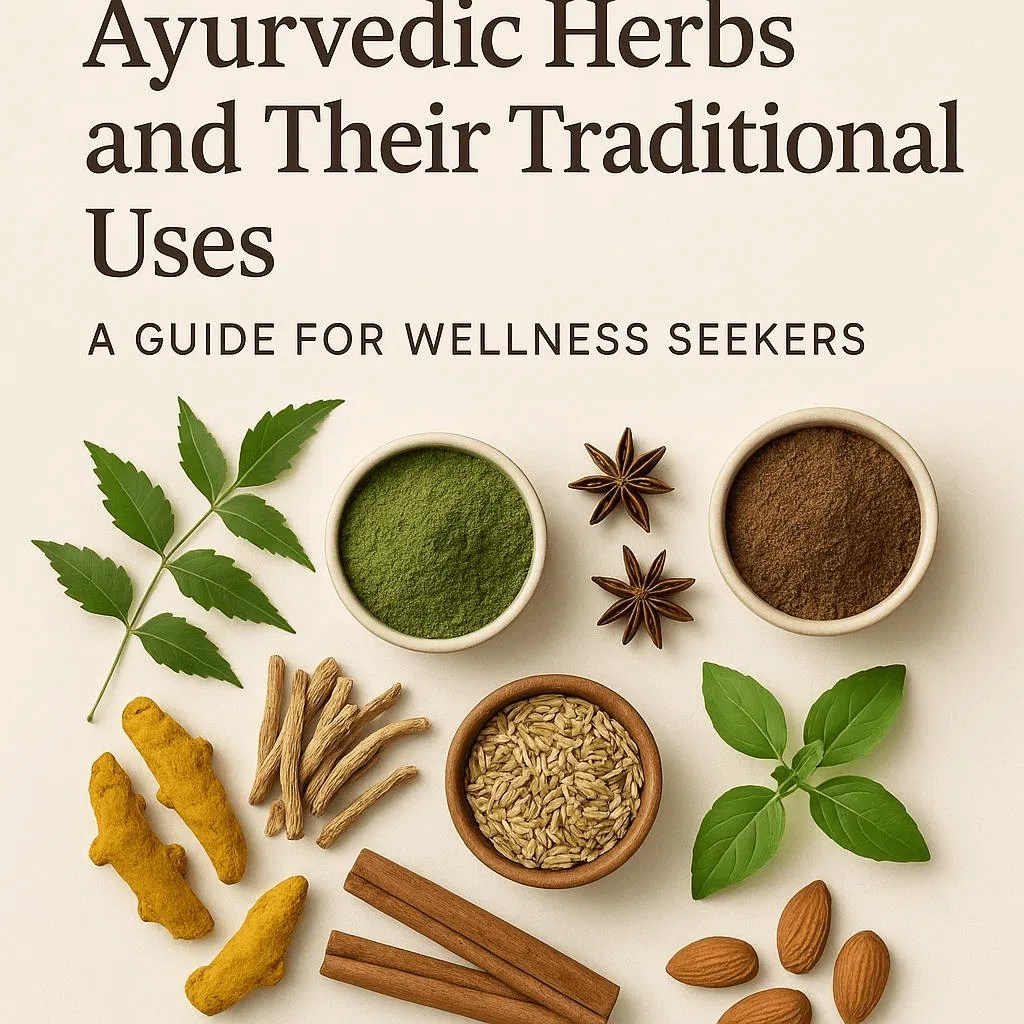
A common error is the adoption of "one-size-fits-all" herbal recommendations derived from generalized internet sources. For example, a heating herb like Ginger may be highly beneficial for a Kapha-dominant individual seeking to stimulate a sluggish metabolism; however, the same herb could potentially aggravate a Pitta-dominant individual who already experiences excess internal heat. To facilitate a safe practice, it is highly recommended that one undergoes a professional assessment to determine your dosha before embarking on an intensive herbal protocol. This ensures that the chosen botanical allies are in harmony with your specific biological needs.
3. Overlooking the State of Agni and the Presence of Ama
In the Ayurvedic tradition, the strength of one’s Agni, or digestive fire, is considered the cornerstone of health. Agni is responsible for the transformation of food and herbs into nourishment for the tissues. Similarly, when Agni is compromised, the body accumulates Ama, which refers to toxic, undigested metabolic residue.

Many individuals commit the error of introducing heavy, nourishing herbs like Ashwagandha into their system while their Agni is weak or while significant levels of Ama are present. Consequently, the body cannot properly assimilate the herb, leading to further congestion and the creation of more Ama. It is of paramount importance to prioritize the improvement of digestion with Ayurveda prior to or alongside herbal therapy. When the internal fire is bright and the channels are clear, the wisdom of the plants can be fully integrated into the cellular structure, fostering resilience and vitality.
4. Administering Incorrect Dosages and Excessive Durations
The therapeutic window for Ayurvedic herbs is often precise, requiring an understanding of both the quantity and the timeframe of administration. A frequent mistake among beginners is the self-prescription of high doses in hopes of accelerating the healing process. Conversely, some individuals may utilize "acute-use" herbs for extended periods without periodic reassessment, potentially leading to the desensitization of the body’s receptors or the accumulation of unwanted side effects.
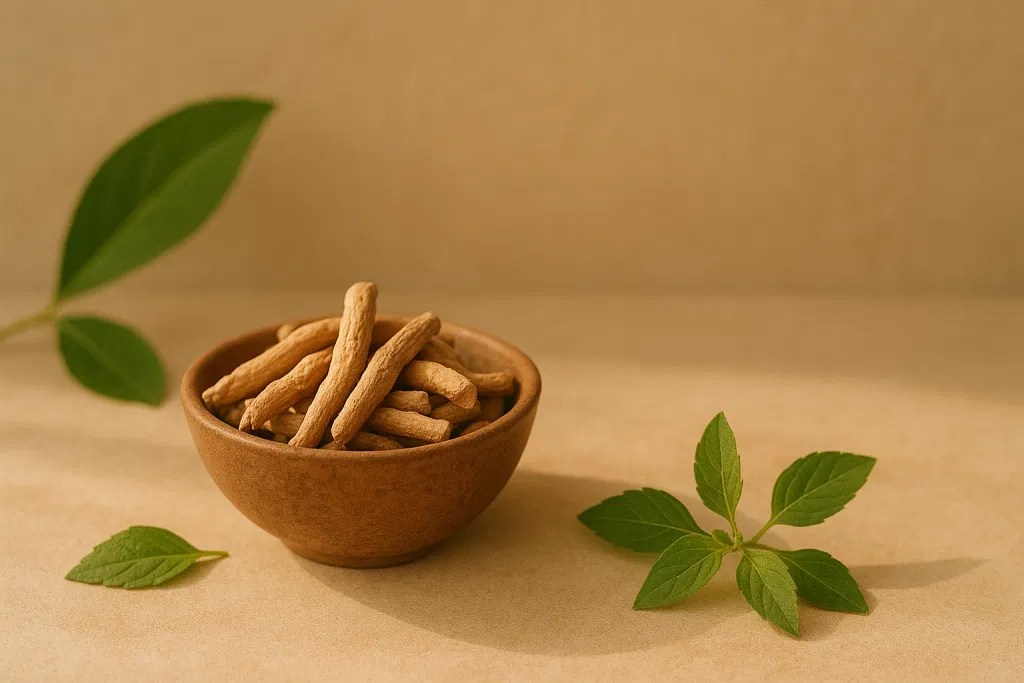
For instance, Triphala is a renowned formula for digestive support; however, its long-term, daily use without professional guidance may eventually cause excessive dryness in the mucous membranes of the colon for certain constitutions. It is advisable to adhere to the principle of "start low and go slow," allowing the body to adapt to the herbal influence gradually. Establishing a consistent Ayurvedic routine for modern life can help in monitoring how these substances influence your daily energy and equilibrium.
5. Failing to Consult Professionals Regarding Herb-Drug Interactions
As integrative medicine gains traction, many individuals find themselves utilizing both conventional pharmaceuticals and Ayurvedic botanicals simultaneously. A significant safety concern arises when these two systems are combined without the oversight of qualified practitioners. Certain Ayurvedic herbs may alter the metabolism of prescription medications, either amplifying their effects to dangerous levels or rendering them less effective.
Specifically, herbs that influence blood glucose, blood pressure, or blood coagulation require careful coordination with one’s primary care physician. For example, the use of Guggulu or Turmeric supplements may interact with anticoagulant medications. To maintain safety and order, one should always provide a comprehensive list of all supplements to every healthcare provider involved in their care, ensuring a cohesive and risk-free therapeutic narrative.
6. Sourcing Herbs of Questionable Quality and Purity
The integrity of the botanical source is as vital as the herb itself. In an unregulated global market, some products marketed as "Ayurvedic" have been found to contain contaminants such as heavy metals (lead, mercury, or arsenic) or unlisted pharmaceutical adulterants. These impurities can lead to severe health complications, undermining the very goal of wellness the individual is pursuing.
Furthermore, the potency of an herb is influenced by its harvesting, processing, and storage. Herbs that have been improperly stored or have surpassed their shelf life lose their vital energy, or Prana. It is recommended to source materials from reputable organizations that adhere to rigorous testing standards and provide transparency regarding their supply chain. At Ayurveda Alliance, we emphasize the necessity of high standards in education and sourcing to protect the community from such avoidable risks.
7. Attempting Complex Detoxification Protocols Without Supervision
Ayurveda offers sophisticated detoxification procedures known as Panchakarma, which are designed to deep-cleanse the tissues. A growing trend involves individuals attempting "at-home" versions of these intensive protocols using potent herbal kits purchased online. Such practices can be hazardous, as they may lead to severe dehydration, electrolyte imbalances, or the sudden release of toxins that the body is not yet prepared to eliminate.
Authentic Ayurvedic cleansing is a stepwise process that requires careful preparation (Purvakarma) and post-treatment care (Paschatkarma), all tailored to the individual’s current strength and digestive capacity. Attempting these procedures without expert supervision is a significant departure from traditional wisdom and can disrupt the body’s natural harmony. Professional guidance ensures that the transition toward health is stable, measured, and sustainable.
The Role of Ayurveda Alliance in Promoting Safety and Excellence
At Ayurveda Alliance, our mission as a 501(c)(3) non-profit organization is to uphold the integrity of traditional Ayurvedic knowledge while making it practical and safe for the modern seeker. We believe that education is the primary tool for fostering a global community of practitioners and enthusiasts who value authenticity and ethical practice. By promoting high standards in clinical training and research, we strive to bridge the gap between ancient wisdom and contemporary safety requirements.

In conclusion, while Ayurvedic herbs possess the remarkable potential to enhance vitality and foster balance, their use must be guided by the timeless principles of the tradition. By avoiding these common mistakes: such as ignoring individual constitution, neglecting digestive fire, or sourcing poor-quality materials: you can engage with this ancient medicine in a way that is both safe and profoundly effective. We invite you to join our community and explore the depths of holistic health with the reverence and precision it deserves, ensuring that your path toward wellness is one of enduring harmony and resilience.