
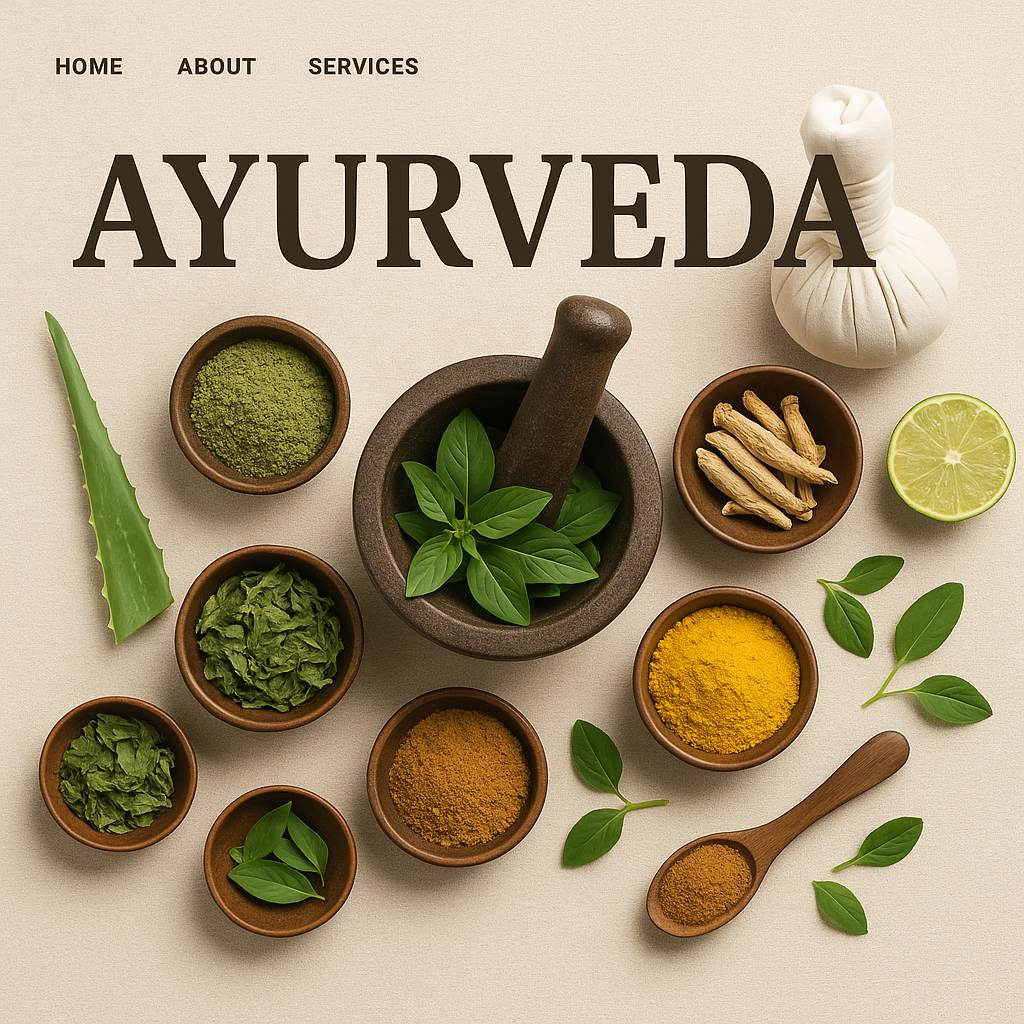
Ayurveda
Many wellness businesses want to offer Ayurveda, but struggle to define it clearly, choose appropriate services, and manage client expectations. The outcome should be practical: understand the system, decide where it fits, and implement it responsibly without promising cures or drifting outside professional scope.
What Ayurveda means in practice
Ayurveda is a traditional Indian system of health knowledge focused on daily living, digestion, seasonal routines, constitution, and balance. In a modern business setting, position it as education and lifestyle support, not as a replacement for medical diagnosis or urgent care. Practitioners discuss food habits, sleep, stress patterns, movement, self-care, and herbs within training and local rules.
For decision makers, the question is whether your team can deliver a consistent, safe, well documented experience that clients understand.
Why organizations add Ayurveda
Interest often comes from practical needs: clients ask for holistic guidance, practitioners want structure, and owners want services that support longer relationships than single transactions.
Ayurveda can fit several formats:
- individual lifestyle consultations
- workshops on seasonal routines
- staff wellbeing programs
- retail education for oils, teas, or books
- collaboration with yoga, massage, nutrition, or coaching services
Choose the format that matches your competence, insurance, and operating capacity. A small, clear offer is usually safer than a broad menu that nobody can explain.

Core decisions before you launch
Start with scope. Write what your service will and will not do. You may provide constitution education, meal planning principles, and daily routine coaching. Avoid diagnosing disease, changing prescriptions, or guaranteeing clinical outcomes unless legally qualified.
Next define practitioner standards: training background, continuing education, referrals, consent language, and records. Assumption: requirements vary by location, so verify local regulations before advertising.
Finally map the client journey so people know what happens before, during, and after a session.
Step by step implementation checklist
Use this checklist before publishing an Ayurveda offer:
- Define the service name in plain language.
- List deliverables: intake, session length, written recommendations, and follow up.
- Create intake forms covering medications, allergies, pregnancy, conditions, and providers.
- Add consent language stating service is educational, not emergency care.
- Build referral options for physicians, mental health professionals, dietitians, and urgent services.
- Standardize recommendation templates and wording.
- Train staff to describe benefits without treatment claims.
- Review herbs and supplements for contraindications and quality.
- Set follow up checks for understanding, adherence, and concerns.
- Audit notes for clarity, professionalism, and scope compliance.

Risks and common mistakes
The biggest risk is overstatement. Claims about curing disease, replacing medication, or guaranteeing results can harm clients and trust. Recover by revising marketing copy, retraining staff, and using cautious language such as may support or discuss with your healthcare provider.
Another mistake is using Sanskrit terms without explanation. Dosha, agni, and ama can be useful when translated into decisions: what to eat, schedule, monitor, or discuss. Do not leave clients with labels instead of actions.
Avoid selling products before assessment. Oils, spices, and herbs need suitability checks. When uncertain, choose conservative food based and routine based guidance, or refer to a qualified professional.
How to measure whether Ayurveda is working
Avoid measuring success only by sales. Track completed intakes, consent, referrals, client understanding, follow up attendance, complaints, repeat bookings, workshop attendance, returns, staff confidence, and client questions.
Qualitative feedback matters. Ask clients whether recommendations were understandable, realistic, and easy to integrate. If people consistently say the plan is too complicated, simplify it.
Decision framework
- If your team has training, scope, and procedures, Ayurveda can strengthen practice.
- If demand exists but standards are unclear, start with education workshops.
- If practitioners are untrained, do not package general wellness advice as Ayurveda.
- If clients present complex medical needs, collaborate with licensed healthcare professionals.
Summary
Ayurveda is most valuable when it is specific, ethical, and practical. Businesses should treat it as structured lifestyle education supported by training, consent, referrals, and communication. Practitioners should recommend actions clients can follow and understand.
Ready to build Ayurveda responsibly?
Begin with a scope review, service checklist, and staff training plan. If you represent a clinic, studio, school, or wellness brand, contact Ayurveda Alliance to align Ayurveda services with client safety and professional credibility.