
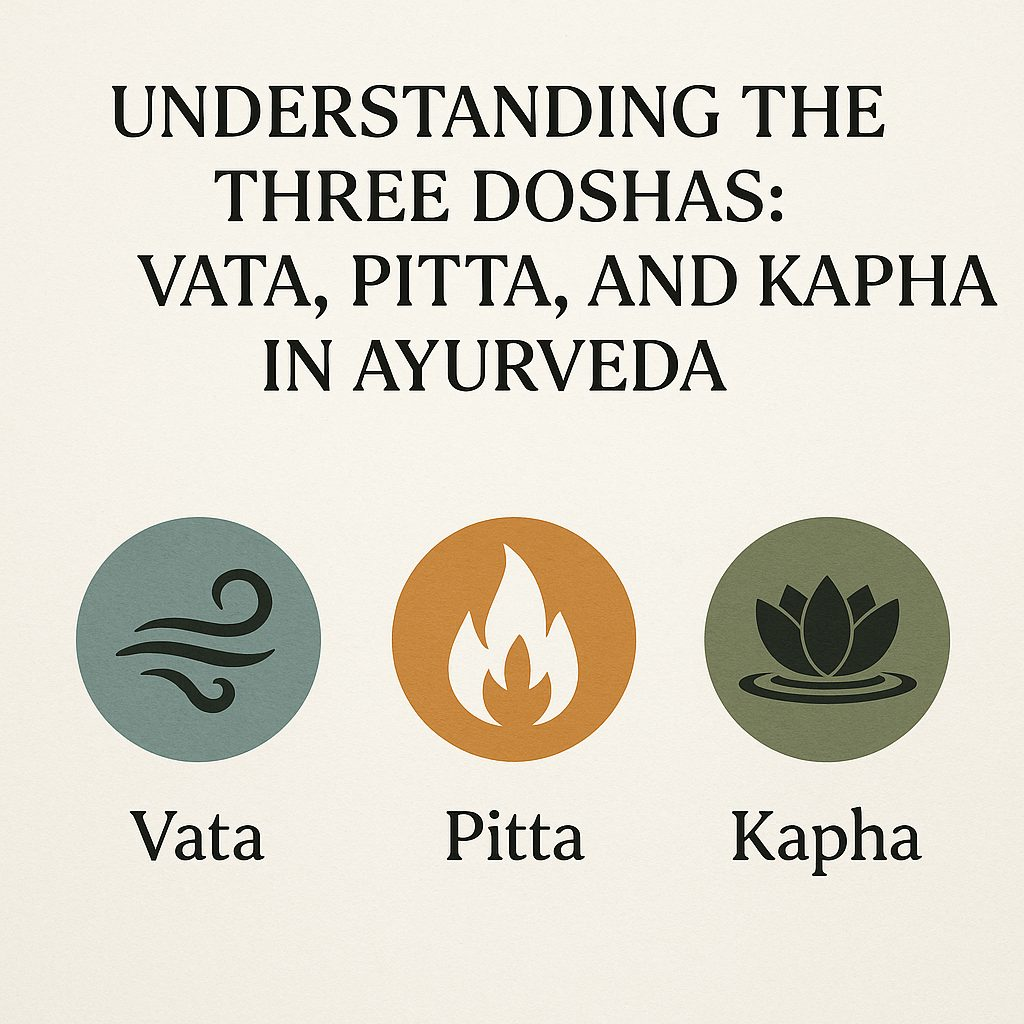
Understanding the Three Doshas: Vata, Pitta, and Kapha in Ayurveda
Many leaders and practitioners meet Ayurveda through familiar recommendations: eat warming food, cool excess heat, or slow down when life feels scattered. The practical question is why different people need different support. The dosha model answers that question. Vata, Pitta, and Kapha describe functional patterns in the body, mind, workplace, and environment. Understanding them helps you choose services, routines, menus, and client education with more precision, while staying realistic about Ayurveda’s supportive role.
What a Dosha Is
In classical Ayurveda, doshas are not personality labels. They are dynamic combinations of the five elements: space, air, fire, water, and earth. Vata reflects movement, Pitta reflects transformation, and Kapha reflects structure and lubrication. Everyone has all three. An individual constitution, often called prakriti, is the usual balance present from early life. A current imbalance, or vikriti, is the pattern showing up now.
For decision makers, the value is operational. Doshas offer a shared language for intake forms, consultation notes, retreat planning, staff wellness, and content strategy. They do not replace medical diagnosis, but they can guide safer questions and more tailored recommendations.

The Three Doshas in Practice
Use the doshas as observation tools. Look for repeated patterns across digestion, sleep, energy, mood, skin, speech, and response to stress. One sign rarely proves anything. A cluster of signs, reviewed over time, is more useful.
Vata: Movement and Variability
Vata is associated with space and air. When balanced, it supports creativity, adaptability, quick learning, and communication. When disturbed, it may show as dryness, irregular routines, anxiety, gas, or restless sleep.
Pitta: Transformation and Discernment
Pitta is associated with fire and water. In balance, it supports appetite, courage, focus, analysis, and purposeful leadership. In excess, it may appear as irritability, acidity, inflammation, competitiveness, or intolerance of delay.
Kapha: Stability and Cohesion
Kapha is associated with water and earth. Balanced Kapha brings endurance, patience, loyalty, memory, and steady service. When heavy, it can present as sluggishness, congestion, attachment, weight gain, or resistance to change.
Causes of Dosha Imbalance
Imbalance usually comes from repeated inputs, not a single event. Common drivers include unsuitable diet, seasonal changes, travel, overwork, poor sleep, unresolved emotion, sedentary habits, and environments that intensify a person’s dominant tendencies. For example, frequent flights, cold meals, and irregular meetings can aggravate Vata. Hot deadlines, spicy food, and conflict can aggravate Pitta. Long sitting, heavy meals, and low stimulation can aggravate Kapha.

Recommended Actions by Dosha
Recommendations should be modest, observable, and adjusted. Start with routines that reduce the dominant disturbance, then monitor digestion, energy, sleep, and mood for one to two weeks. Assumption: the person is generally well and is seeking lifestyle support, not treatment for an urgent condition.
- For Vata: favor regular schedules, warm cooked meals, oil massage, grounding movement, calm communication, and fewer unnecessary choices.
- For Pitta: favor cooling foods, clear boundaries, noncompetitive exercise, time outdoors, respectful feedback, and breaks from intensity.
- For Kapha: favor early starts, lighter meals, brisk activity, variety, accountability, stimulating projects, and decluttering.
Practical Execution Checklist
- Observe patterns for seven days before changing multiple variables.
- Identify the strongest current dosha signal, not the most interesting trait.
- Choose one food, one routine, and one environment adjustment.
- Write the recommendation in plain language the person can follow.
- Set a review date and define what improvement should look like.
- Escalate to qualified medical care when symptoms are severe, persistent, or unclear.
Risks, Mistakes, and Recovery
The most common mistake is typing people too quickly. A fiery manager may be sleep deprived, not constitutionally Pitta dominant. Another risk is treating doshas as fixed identities. Recover by returning to observable evidence: meals, sleep, workload, climate, stress response, and whether the recommendation helped.
Summary Decision Framework
Ask three questions: what is moving too much, what is overheating, and what is becoming too heavy or stagnant? Match the answer to Vata, Pitta, or Kapha, then choose the smallest useful correction. Review results before adding complexity.