
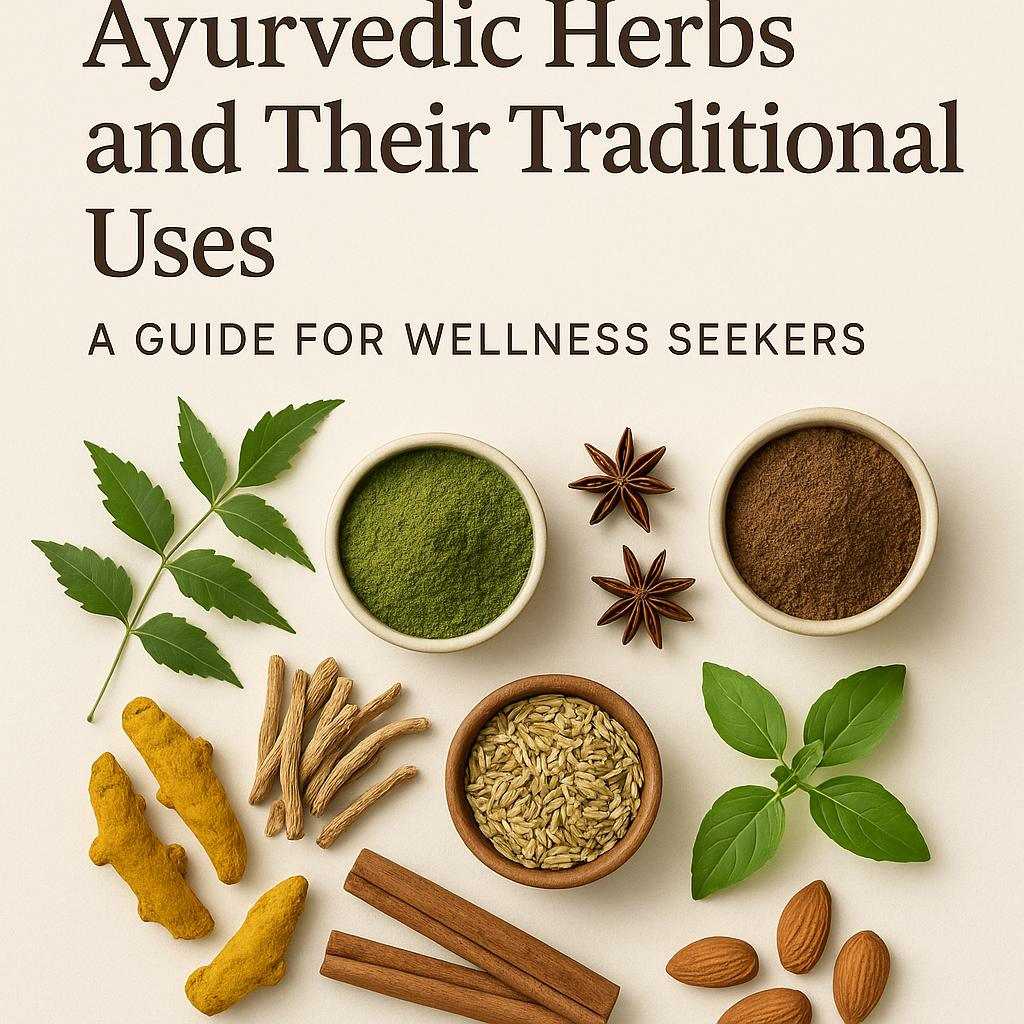
Ayurvedic Herbs and Their Traditional Uses: A Guide for Wellness Seekers
Many wellness seekers and Ayurveda practitioners face the same challenge: herbs are easy to buy, yet hard to use responsibly. Traditional names, modern product labels, and marketing promises can blur together. This guide explains core Ayurvedic herbs, their traditional roles, and a practical decision process so business owners, clinic leaders, and practitioners can choose education, sourcing, and client guidance with more confidence.
Why herb decisions need context
In Ayurveda, an herb is not selected only because it is popular. Classical practice considers constitution, imbalance, season, digestion, age, lifestyle, and preparation method. The same plant may be used as powder, decoction, ghee, oil, or tablet. For a wellness organization, the real problem is building a reliable framework rather than copying a generic list of benefits.

Common Ayurvedic herbs and traditional roles
Use the following overview as a starting point for professional discussion, not as a prescription. Local regulations, product quality, and individual health factors still matter.
Causes of poor herb outcomes
Problems usually come from mismatch, not from the idea of herbs itself. A product may be high quality and still unsuitable for a person or service model. In clinics and wellness businesses, the main causes are vague intake forms, unverified suppliers, staff overconfidence, and unclear escalation rules.
- Using one herb for every body type or complaint.
- Treating supplement labels as clinical guidance.
- Ignoring digestion, sleep, stress, and diet.
- Failing to record dose, batch, start date, and response.

Recommended actions for responsible use
A practical herb program should combine tradition with governance. Practitioners can preserve Ayurvedic reasoning while using modern documentation, consent, and supplier review. Business owners should define which services are educational, which are practitioner guided, and which cases must be referred to licensed medical care.
Step by step checklist
- Clarify purpose: Is the aim digestion, sleep routine, seasonal support, or professional training?
- Assess the person: Note constitution, current imbalance, allergies, pregnancy, medicines, and red flags.
- Choose form: Decide whether food, tea, powder, oil, or a prepared formula is most appropriate.
- Start simply: Use the fewest herbs needed and avoid stacking similar products.
- Document response: Track dose, timing, digestion, sleep, mood, and any discomfort.
- Review regularly: Stop, adjust, or refer when results are unclear or symptoms worsen.
Risks, mistakes, and recovery
The most common mistake is assuming natural means harmless. Herbs can interact with medicines, aggravate certain constitutions, or mask symptoms that need diagnosis. Another mistake is making disease treatment claims in marketing or client conversations. Recovery is straightforward: pause the herb, document what happened, advise medical review when appropriate, and update your protocol before recommending it again.
Avoid these red flags
- Promising cures, guaranteed outcomes, or rapid detoxification.
- Combining many strong herbs without a clear rationale.
- Continuing use despite rash, digestive distress, dizziness, or unusual fatigue.
- Buying products without ingredient lists, batch details, or quality information.
Summary decision framework
Before choosing an Ayurvedic herb, ask four questions: What is the traditional purpose? Who is the person in front of us? What evidence do we have about quality and safety? How will we monitor response? If any answer is weak, slow down. Education, referral, or lifestyle work may be the better first step.
Build a safer herb strategy
Audit your herb process this week now