
In the rapidly evolving landscape of 2026, the pursuit of holistic well-being has transitioned from a peripheral interest to a central pillar of modern existence. As technology continues to permeate every facet of daily life, the ancient wisdom of Ayurveda provides a necessary counterbalance, offering a profound framework for understanding the individual within the context of the universal. At the heart of this venerable system lies the concept of the Doshas: Vata, Pitta, and Kapha. These biological energies, derived from the five great elements of ether, air, fire, water, and earth, govern all physical and mental processes. To achieve enduring vitality and success in the contemporary era, one must cultivate a deep understanding of these archetypal forces and learn to navigate their shifting tides with precision and intention.
The Foundation of Individual Constitution
The practice of Ayurveda recognizes that every individual possesses a unique energetic blueprint known as Prakriti. This constitution is established at the moment of conception and remains relatively constant throughout one's life. However, environmental factors, dietary choices, and emotional stressors can cause these energies to fluctuate, leading to a state of imbalance referred to as Vikriti.
Understanding your dominant Dosha is not merely an exercise in self-categorization; it is the fundamental step toward reclaiming autonomy over your health. By identifying the primary forces that drive your metabolism, temperament, and physiological responses, you can implement targeted strategies to maintain equilibrium. Furthermore, as we look toward the advancements of 2026, the integration of traditional knowledge with personalized wellness protocols has never been more relevant or accessible.
Vata: The Principle of Movement
Vata is composed of the elements of air and ether. It is the force responsible for all movement within the body and mind, including the circulation of blood, the transmission of nerve impulses, and the rhythm of the breath. Individuals with a dominant Vata constitution often exhibit qualities of lightness, dryness, and mobility.
Characteristics of the Vata Archetype
Physically, Vata types tend to possess slender frames and may encounter difficulty in maintaining weight. Their skin is frequently dry and prone to coolness, particularly in the extremities. Mentally, Vata individuals are characterized by an abundance of creativity, enthusiasm, and a quick intellect. They are the visionaries and the innovators, capable of perceiving connections that others might overlook.

Strategies for Success and Balance
When Vata becomes excessive, it manifests as anxiety, restlessness, and a fragmented focus. To counter these tendencies in 2026, one must prioritize grounding and stability. The application of warm, heavy, and nourishing substances is essential. Regularity in daily habits, particularly regarding Ayurvedic routines for modern life, provides a necessary anchor for the volatile Vata energy.
Furthermore, incorporating warming spices such as ginger and cinnamon into the diet can assist in stimulating a variable digestive fire. The practice of Abhyanga, or self-oil massage with warm sesame oil, serves as an invaluable tool for pacifying the nervous system and hydrating the skin from a holistic perspective.
Pitta: The Principle of Transformation
Pitta is governed by the elements of fire and water. It is the energy of transformation, overseeing digestion, metabolism, and the assimilation of both nutrients and information. The qualities of Pitta are heat, sharpness, and intensity.
Characteristics of the Pitta Archetype
Those with a dominant Pitta constitution typically possess a medium build and a robust appetite. They often experience a consistent internal heat and may be sensitive to high temperatures. Intellectually, Pitta individuals are highly focused, organized, and ambitious. They possess a natural capacity for leadership and an unwavering drive to achieve their objectives.
Maintaining Equilibrium Amidst Intensity
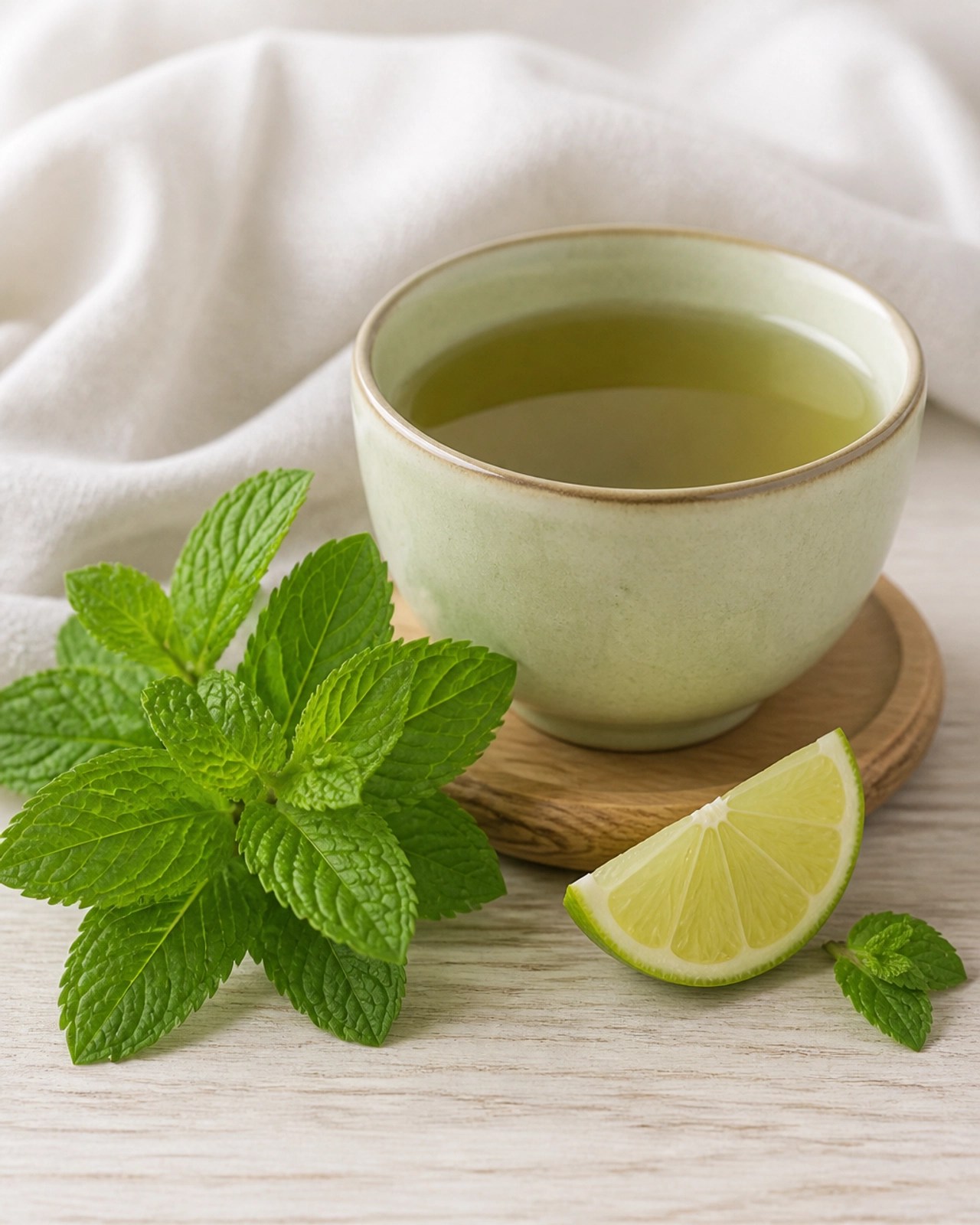
When Pitta is out of balance, it can lead to irritability, perfectionism, and inflammatory conditions. In an era defined by high-performance expectations, it is crucial for Pitta types to cultivate cooling and moderating influences. Diets should emphasize sweet, bitter, and astringent tastes while avoiding excessive spice, salt, and fermented foods.
During the peak of the day when the sun is at its highest, Pitta individuals should seek shade and engage in activities that promote relaxation rather than competition. Similarly, staying attuned to seasonal eating in Ayurveda is vital, especially during the summer months when environmental heat can exacerbate Pitta's natural intensity. Cultivating a sense of compassion and humor is equally important for maintaining mental harmony.
Kapha: The Principle of Stability
Kapha is comprised of the water and earth elements. It provides the structure, lubrication, and cohesion necessary for the physical body. The qualities associated with Kapha are heaviness, coldness, softness, and stability.
Characteristics of the Kapha Archetype
Kapha individuals are often characterized by a sturdy, well-developed frame and great physical endurance. Their skin is typically smooth and lustrous, and they possess a calm, steady temperament. Mentally, they are patient, loyal, and possess an exceptional long-term memory. They are the providers of stability and nurturance within their communities.
Overcoming Inertia and Stagnation
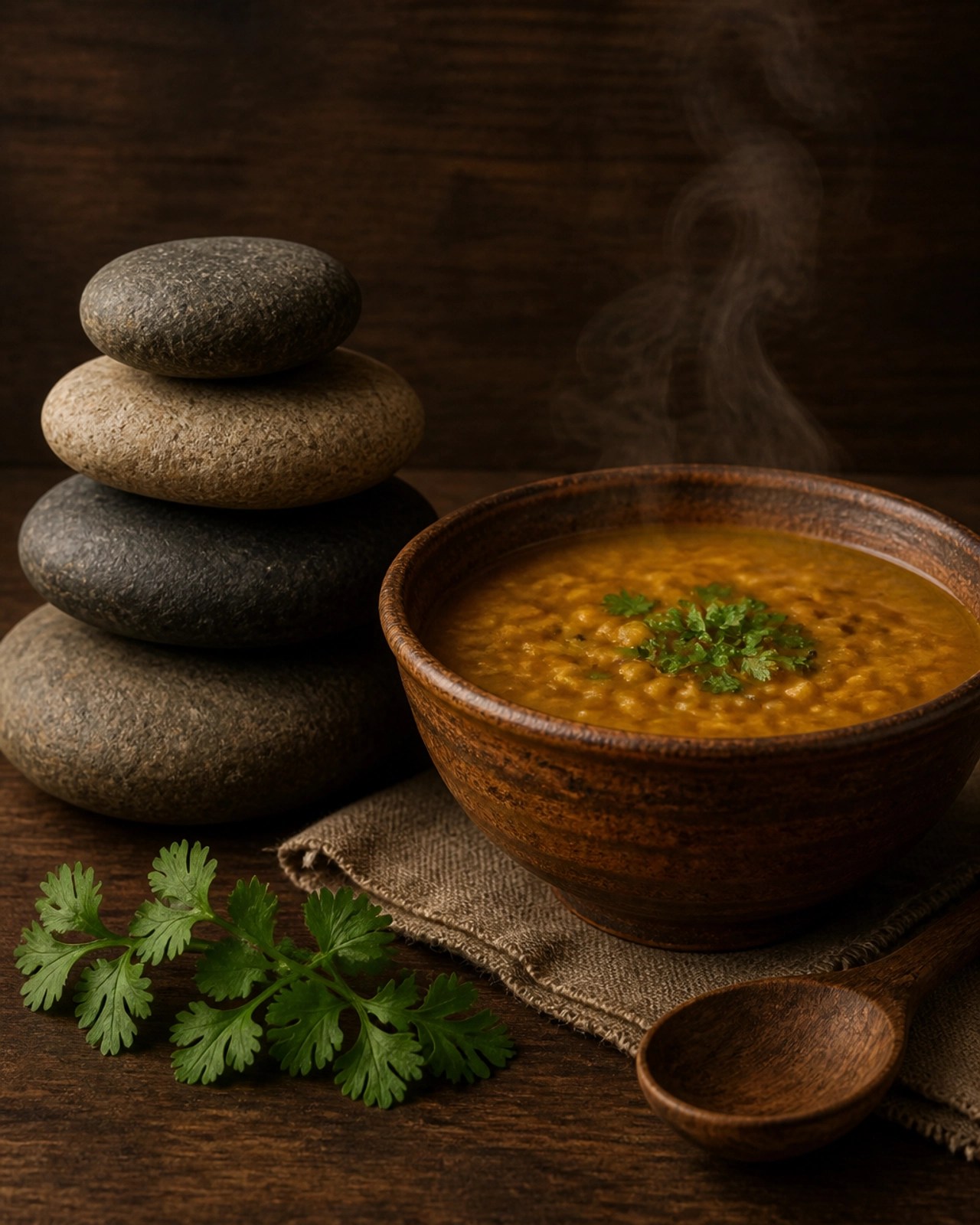
An imbalance in Kapha often manifests as lethargy, attachment, and physical congestion. To succeed in 2026, Kapha types must actively seek stimulation and movement. It is recommended to favor a diet that is light, warm, and spicy to stimulate a sluggish metabolism. Minimizing the intake of heavy, oily, and excessively sweet foods is imperative for preventing the accumulation of mucus and weight.
Vigorous physical activity, particularly in the morning hours, can help to dispel the natural tendency toward inertia. Introducing variety into one's environment and social circles also serves to energize the Kapha mind, preventing emotional stagnation and fostering a sense of resilience.
The Integration of Ayurvedic Wisdom in 2026
As we navigate the complexities of the current year, the application of Dosha-based wellness has become more sophisticated. We now see a harmonious integration of traditional principles with contemporary insights. For example, many practitioners utilize the properties of specific botanicals to address imbalances with greater accuracy.

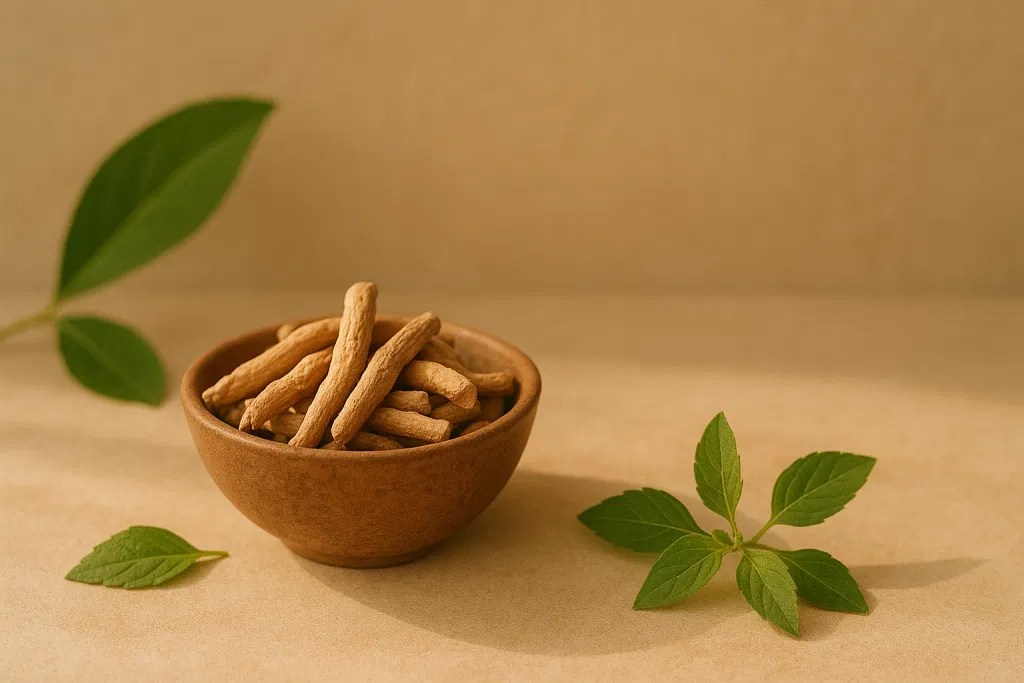
Botanicals such as Ashwagandha have gained significant prominence for their adaptogenic properties. These herbs assist the body in managing stress, which is a primary contributor to Dosha imbalance in the modern age. Ashwagandha, specifically, is revered for its ability to provide grounding energy for Vata while supporting the vitality of Kapha.
Furthermore, the rise of digital health tracking in 2026 allows individuals to observe the correlation between their lifestyle choices and their energetic states. By monitoring variables such as sleep quality, digestive regularity, and emotional fluctuations, one can make informed adjustments to their daily regimen, ensuring that the Doshas remain in a state of dynamic equilibrium.
Conclusion: The Path to Holistic Harmony
The journey toward health and success is not a destination but a continuous process of alignment. By understanding the intricate interplay of Vata, Pitta, and Kapha, you empower yourself to live in accordance with the natural laws that govern existence. This profound wisdom allows for the cultivation of resilience, the expansion of vitality, and the achievement of a balanced state of being that transcends the physical realm.
As you move forward into 2026, let the principles of Ayurveda serve as your compass. Whether you are navigating the high-pressure environment of the professional world or seeking deeper tranquility in your personal life, the knowledge of your Dosha provides the clarity needed to thrive. Embrace this timeless wisdom, and you will find that harmony is not merely an ideal, but a tangible reality within your reach.