
In the ancient tradition of Ayurveda, health is perceived not merely as the absence of disease, but as a state of profound equilibrium between the mind, body, and spirit. Central to this holistic philosophy is the concept of the doshas: three fundamental energies that govern every physiological and psychological process within the human vessel. By understanding these archetypal forces, individuals may gain the necessary insight to cultivate lasting vitality and resilience against the stressors of modern existence.
Ayurveda posits that the universe is composed of five great elements, known as the Mahabhutas: space (ether), air, fire, water, and earth. Within the human body, these elements combine to form the three functional principles: Vata, Pitta, and Kapha. Every individual possesses a unique blend of these energies, a biological blueprint known as Prakriti. While one's Prakriti remains constant throughout a lifetime, external factors such as diet, climate, and emotional state can lead to a temporary imbalance, or Vikriti. The mastery of one's unique constitution involves identifying these shifts and applying timeless principles to restore natural order.
Vata: The Principle of Movement
The Vata dosha is primarily composed of the elements of air and space. Consequently, it is the force responsible for all movement within the body, including the circulation of blood, the rhythm of the breath, and the transmission of nervous impulses. Those who possess a dominant Vata constitution often exhibit qualities that mirror the nature of the wind: they are light, dry, cold, and mobile.
Characteristics and Imbalance
Individuals with a Vata-dominant nature often possess a slender, light frame and an agile, creative mind. They are typically characterized by their enthusiasm, quick comprehension, and ability to think with remarkable imagination. However, because Vata is inherently erratic, its imbalance often manifests as irregularity. When the air and space elements become excessive, one may experience dry skin, persistent coldness in the extremities, and digestive disturbances such as bloating or constipation.
Furthermore, an aggravated Vata can lead to psychological turbulence. The mind may become prone to racing thoughts, anxiety, and a pervasive sense of being "ungrounded." Because Vata is the "king" of the doshas: the one that most easily falls out of balance: it is essential to prioritize stability and routine.

Strategies for Reclaiming Balance
To pacify an overactive Vata dosha, one must introduce the opposite qualities: warmth, moisture, and heaviness. Establishing a consistent daily rhythm is perhaps the most effective strategy for stabilizing this mobile energy. Adhering to regular times for waking, nourishing the body, and resting provides the nervous system with a necessary sense of security.
In terms of nutrition, Vata benefits significantly from warm, cooked, and oily foods that provide internal lubrication. One should favor naturally sweet, sour, and salty tastes while reducing the intake of raw salads, cold beverages, and dry crackers. For further guidance on integrating these habits into a contemporary lifestyle, one may explore Ayurvedic routines for modern life.
Pitta: The Principle of Transformation
Composed of the elements of fire and water, the Pitta dosha governs metabolism, digestion, and the conversion of food into energy. It is the energy of heat and transformation, manifesting in the body as enzymatic activity and in the mind as sharp intelligence and discernment.
Characteristics and Imbalance
Pitta-dominant individuals typically possess a medium build with healthy muscle tone. They are often recognized for their focused, goal-oriented nature and articulate speech. Their digestion is generally robust, characterized by a strong appetite that requires regular fulfillment. When Pitta is in a state of harmony, it grants courage, leadership, and a bright, radiant complexion.
However, the "sharp" and "hot" nature of Pitta can lead to inflammation if it is not carefully moderated. An excess of this fire element may result in acid reflux, skin rashes, and an overactive metabolism. Emotionally, a Pitta imbalance often manifests as irritability, impatience, or an overly competitive spirit. Consequently, the pursuit of "cooling" influences is vital for maintaining tranquility.
Cultivating a Cooling Lifestyle
To balance the intensity of Pitta, one should emphasize moderation and relaxation. It is advisable to avoid excessive exposure to heat and to refrain from engaging in highly competitive activities during the warmest hours of the day. Instead, one should seek environments and practices that provide a sense of softness and space.
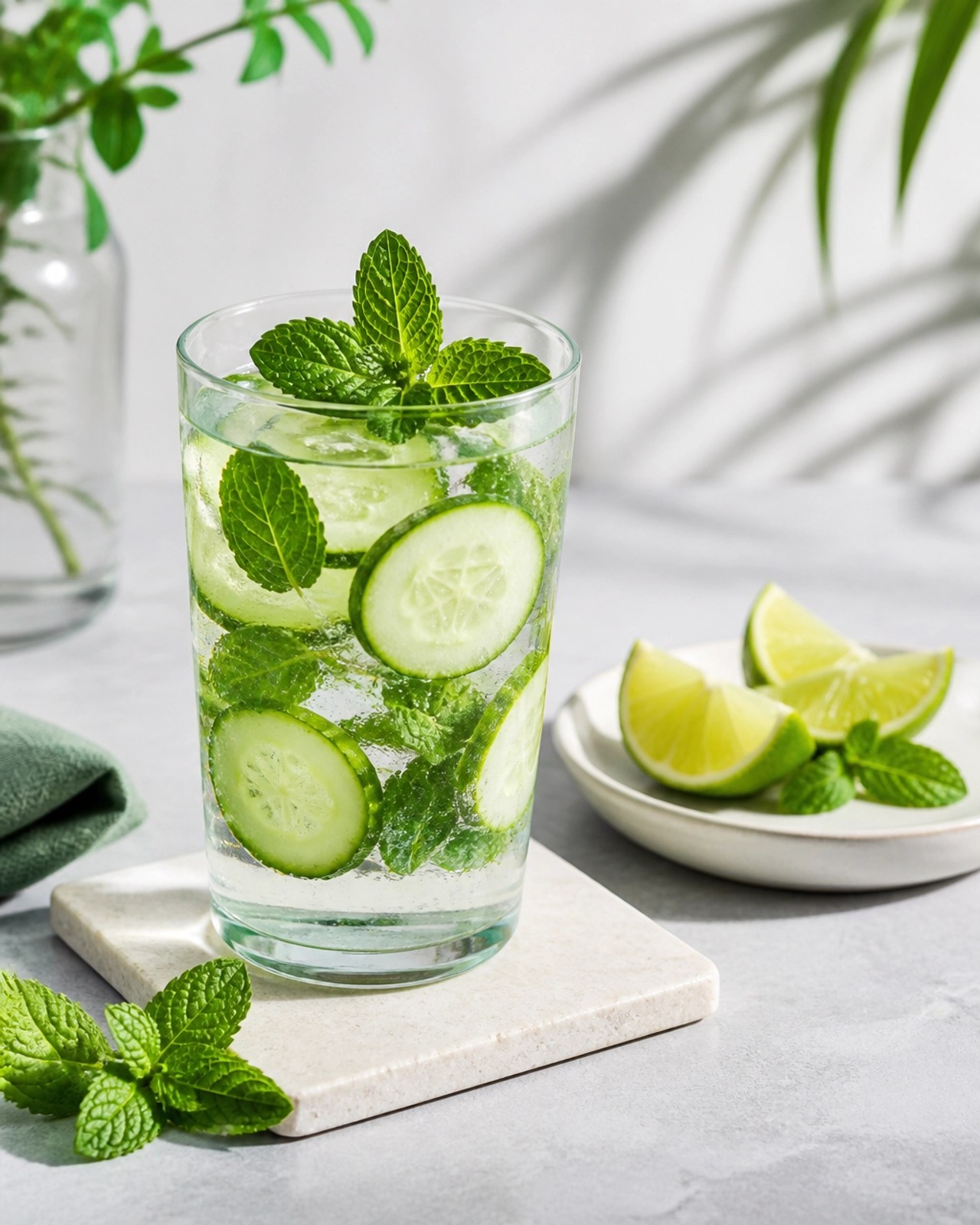
Dietary choices play a crucial role in managing the internal fire. Favoring cooling foods, such as leafy greens, cucumbers, and sweet fruits, helps to temper the digestive flame. Furthermore, it is beneficial to avoid pungent spices, fermented foods, and excessive caffeine, as these substances inherently increase heat. Understanding seasonal eating in Ayurveda is particularly useful for Pitta types, as they must be especially vigilant during the transition into the summer months.
Kapha: The Principle of Structure
The Kapha dosha is the fusion of earth and water elements. It provides the body with its physical structure, lubrication for the joints, and the resilience of the immune system. Kapha is the energy of stability, cohesion, and endurance, acting as the stabilizing force that balances the mobility of Vata and the heat of Pitta.
Characteristics and Imbalance
Those with a Kapha-dominant constitution are often blessed with a sturdy, broad frame, thick hair, and soft, lustrous skin. They possess a calm, patient temperament and are frequently described as the "anchor" in their social circles. Their endurance is remarkable, and their ability to remain grounded during times of crisis is a significant strength.
When Kapha becomes excessive, however, its heavy and slow qualities can lead to stagnation. This may manifest as lethargy, weight gain, and excessive mucus production in the respiratory system. Mentally, a Kapha imbalance can lead to a sense of "fog," attachment, and a resistance to necessary change. Because Kapha is inherently stable, it requires active stimulation to prevent inertia from taking hold.
Strategies for Vitalization
To balance the heavy and cool nature of Kapha, one must introduce lightness, warmth, and variety. Engaging in vigorous physical activity is essential for mobilizing this energy and preventing the accumulation of toxins, known in Ayurveda as ama. While Kapha types may naturally prefer rest, they derive the greatest benefit from movement that generates heat and increases the heart rate.
From a nutritional perspective, Kapha types should favor warm, light, and spicy foods. Pungent, bitter, and astringent tastes are particularly effective at clearing excess moisture and stimulating the metabolism. Reducing the consumption of dairy, heavy sweets, and oily foods will help to maintain a sense of lightness and mental clarity.
Navigating the Path to Equilibrium
Determining your unique Prakriti is the first step toward self-mastery. While some individuals may exhibit a clear dominance of a single dosha, many possess a dual-doshic constitution, such as Vata-Pitta or Pitta-Kapha. In these instances, the focus of one's wellness routine should shift according to the season, the climate, and the current stage of life.

It is important to remember that Ayurveda is a science of observation and subtle adjustments. One should not view their dosha as a restrictive label, but rather as a guide for navigating the complexities of health. By observing how different foods, environments, and activities affect your internal state, you can begin to make conscious choices that promote lasting harmony.
Furthermore, it is recommended to consult with a qualified Ayurvedic practitioner who can provide a comprehensive assessment of your constitution. This expert guidance ensures that your path to wellness is both safe and tailored to your specific physiological needs. Through the integration of ancient wisdom and modern understanding, the achievement of optimal vitality becomes an accessible reality for all who seek it.
Conclusion
The journey toward mastering your unique body type is a lifelong endeavor rooted in awareness and compassion. By recognizing the divine interplay of Vata, Pitta, and Kapha within yourself, you align with the natural rhythms of the universe. This alignment does not only foster physical health; it cultivates a profound sense of inner peace and equilibrium. As you implement these timeless strategies, you will likely discover that the pursuit of wellness is not a destination, but a continuous practice of living in harmony with your true nature.