
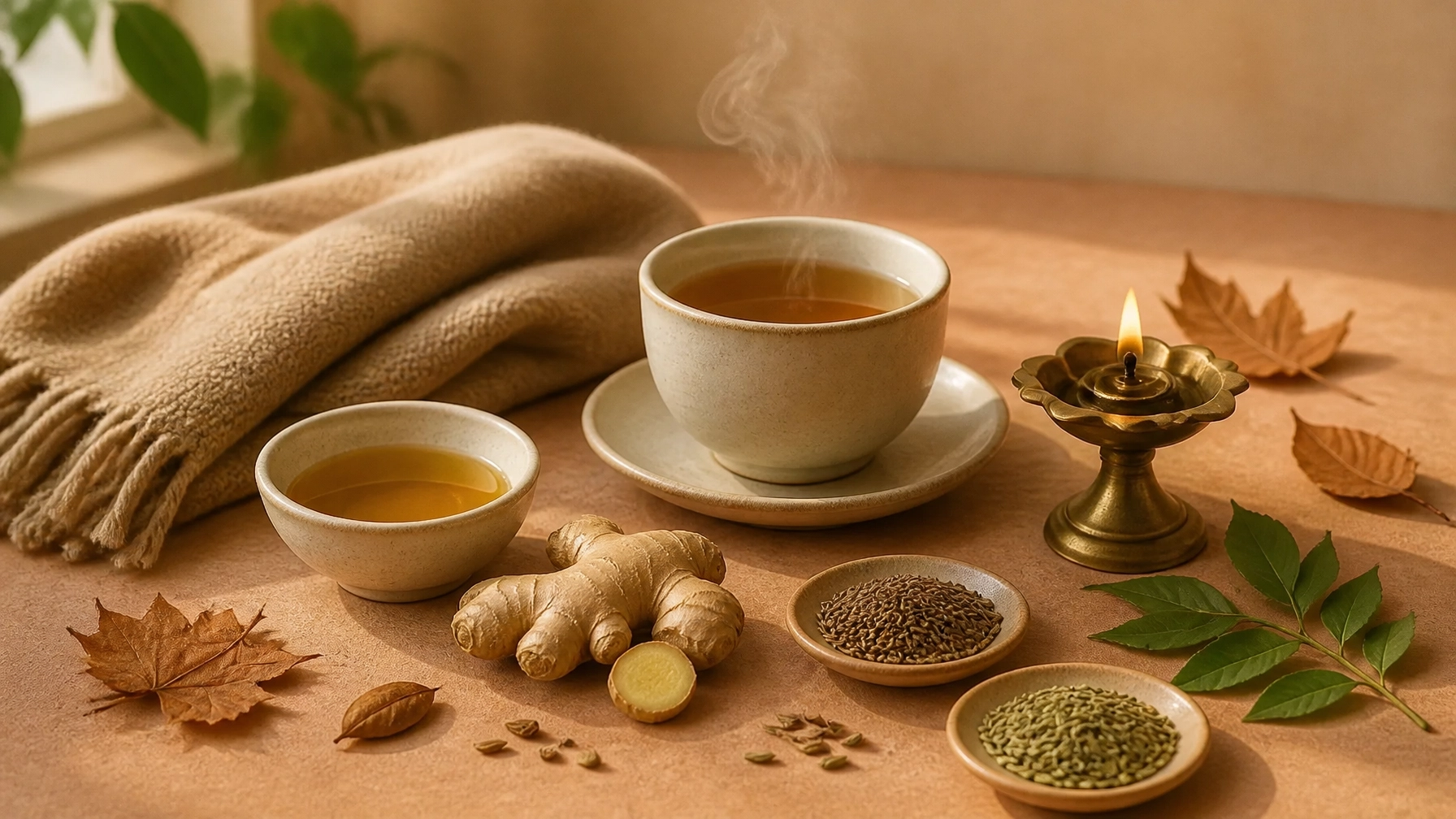
As late August gives way to early autumn in the Northern Hemisphere, the environment begins to express the qualities that Ayurveda traditionally associates with Vata dosha: coolness, dryness, lightness, roughness, mobility, and subtle change. The air becomes more active, daylight gradually diminishes, and routines that felt effortless during summer may begin to feel less stabilizing.
Ayurveda understands these seasonal shifts through Ritucharya, the practice of adapting diet and lifestyle to nature’s cycles. Rather than treating autumn as a period to resist, Ritucharya offers practical strategies for meeting its qualities with warmth, steadiness, nourishment, and rest. This approach extends the principles explored in seasonal eating in Ayurveda by focusing on daily rhythms and sensory habits that support balance.
For those exploring an Ayurvedic lifestyle for beginners, the following seven routines provide a grounded starting point.
What Vata Season Means for the Body and Mind
In Ayurvedic philosophy, Vata is composed primarily of the elements air and space. In Ayurvedic theory, it is associated with movement, communication, circulation, respiration, creativity, and activity. These traditional associations are not biomedical diagnoses or direct descriptions of nervous-system physiology. When balanced, Vata can support adaptability, enthusiasm, and clear perception. When excessive, its mobile and irregular qualities may create instability.
Common signs of Vata aggravation include anxiety, restlessness, dry skin, constipation or irregular digestion, gas, variable appetite, light or interrupted sleep, mental overactivity, and sensitivity to cold or wind. These signs are not diagnostic on their own, and persistent or concerning symptoms warrant professional medical attention; nevertheless, they can serve as useful observations within a holistic wellness routine.
The central principle is simple: balance Vata’s cold, dry, and mobile qualities with practices that are warm, moist, nourishing, regular, slow, and reassuring.
1. Practice Warm Sesame Oil Abhyanga
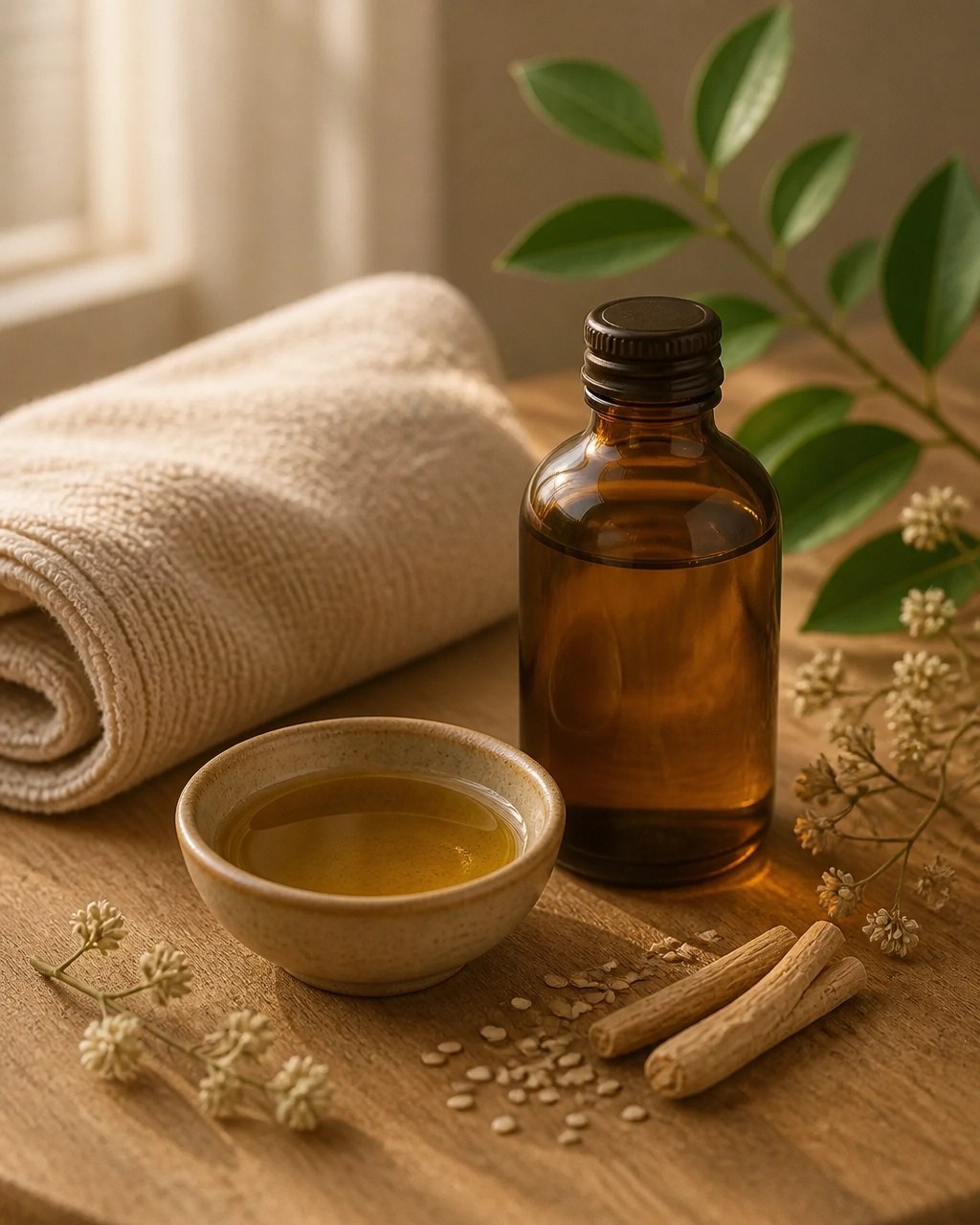
Abhyanga, or Ayurvedic oil massage, is one of the most traditional routines for autumn. Warm oil provides an opposite quality to seasonal dryness, while slow and rhythmic touch offers a stabilizing sensory experience.
Sesame oil is classically associated with Vata-pacifying care because it is warming, nourishing, and unctuous. A simple practice involves warming a small amount of oil to a comfortable temperature, applying it to the body, and using long strokes over the limbs with circular movements around the joints, abdomen, chest, and lower back. The oil may remain on the skin for approximately 10 to 20 minutes before a warm shower.
The value of this routine lies not only in skin nourishment but also in its deliberate pace. A daily or several-times-weekly ritual can encourage body awareness and create a calm transition into the day. People with allergies, sensitive skin, acute illness, open wounds, or specific medical conditions should seek qualified guidance before using medicinal or essential oils, and care should be taken because oil can make shower surfaces slippery. More background is available in Ayurveda Alliance’s guide to abhyanga self-massage benefits.
2. Choose Warm, Cooked, Grounding Meals
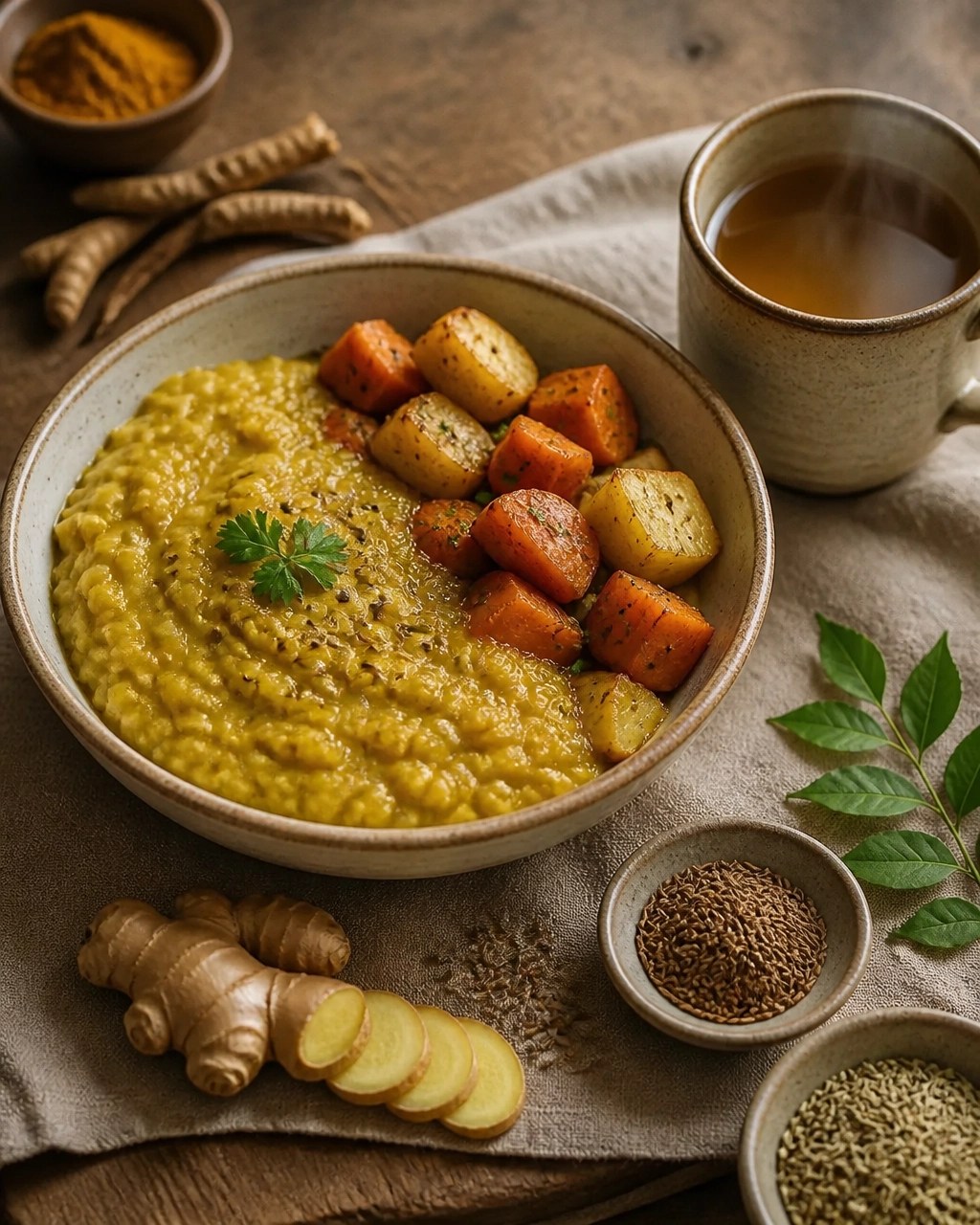
Autumn is generally a favorable time to emphasize warm, soft, cooked foods with sufficient moisture and healthy fat. Soups, stews, kichari, dal, oatmeal, rice, roasted root vegetables, and cooked squash can be more grounding than frequent cold salads, dry crackers, iced beverages, or irregular snack foods.
A Vata-supportive Ayurvedic diet does not require an inflexible menu. Instead, it emphasizes food qualities that support digestion and steadiness. Ginger, cumin, fennel, cinnamon, cardamom, and a modest amount of black pepper can add warmth and aromatic stimulation. Cumin and fennel are traditionally valued for their relationship with digestion, while ginger is often used to enliven appetite and circulation.
Regular mealtimes are equally important. A warm, substantial midday meal may be especially supportive, while dinner is generally lighter and completed several hours before sleep. The previously published article on best foods for Vata balance offers a complementary nutritional reference.
3. Establish a Consistent Dinacharya
Dinacharya means a daily routine designed to align personal habits with natural rhythms. For Vata, regularity is not merely a matter of organization; it is a balancing quality that helps reduce excessive movement and uncertainty.
A supportive autumn schedule may include waking, eating, working, exercising, and retiring at approximately consistent times each day. A few quiet minutes in the morning, followed by warm water, personal hygiene, oil massage, or gentle movement, can create a dependable foundation before external demands begin.
Predictability should remain realistic rather than rigid. The intention is to create a stable framework that can accommodate ordinary variation. Individuals beginning an Ayurvedic lifestyle may find it more sustainable to select two or three anchor points: such as a regular breakfast, a screen-free evening period, and a consistent bedtime: before expanding the routine. Ayurveda Alliance provides additional context in its article on what Dinacharya means in Ayurveda.
4. Choose Gentle Yoga and Slow Pranayama
Vata season generally benefits from movement that is steady, warming, and attentive rather than hurried or excessively strenuous. Gentle yoga, walking, restorative postures, and slower forms of strength training can help maintain circulation without adding unnecessary depletion.
A suitable breathing practice is Nadi Shodhana, commonly translated as alternate-nostril breathing. It is traditionally used to encourage equilibrium in the subtle channels and to cultivate a quieter mental state. A beginner may sit comfortably with the spine supported and breathe slowly through alternating nostrils for five minutes, without forceful inhalation, prolonged breath retention, or strain.
The purpose is regulation rather than performance. If dizziness, breathlessness, anxiety, or discomfort arises, the practice should stop. Those with significant respiratory, cardiovascular, or neurological conditions should consult a qualified healthcare professional before beginning structured pranayama. Further instruction can be found in Ayurveda Alliance’s resource on pranayama breathing techniques.
5. Sip Warming Teas and Approach Herbs Responsibly
Warm herbal infusions can provide hydration, sensory comfort, and a simple pause during a mobile season. Cumin, coriander, and fennel tea is traditionally used as a gentle digestive infusion, while ginger tea may be appropriate for people who tolerate warming spices. Tulsi, also known as holy basil, is another commonly used Ayurvedic herb.
Ashwagandha, or Withania somnifera, is traditionally described as a rejuvenative herb and is often discussed in relation to stress and sleep. However, herbal support should not be treated as universally appropriate or interchangeable with medical care. The National Center for Complementary and Integrative Health notes that some preparations may support insomnia and stress, while evidence for anxiety remains unclear and long-term safety has not been established.
Ashwagandha should be avoided during pregnancy and breastfeeding and may be unsuitable for individuals with thyroid or autoimmune disorders, people preparing for surgery, or those taking sedatives, thyroid medication, immunosuppressants, or certain medicines for blood pressure, diabetes, or seizures. A qualified healthcare professional can help assess product quality, dosage, and interactions.
6. Protect an Early Bedtime and Calming Sleep Hygiene
Irregular or insufficient sleep can intensify many Vata-like experiences, including mental restlessness, light sleep, and unstable energy. An early, consistent bedtime is therefore one of the most accessible natural wellness tips for autumn.
A calming evening may include a warm, easily digested dinner, dimmer lighting, gentle stretching, quiet reading, or a warm shower. The bedroom is ideally warm, quiet, and protected from drafts. Screens and stimulating conversations may be reduced during the final hour before bed, allowing the senses to move gradually toward rest.
A consistent wake time is also valuable, even after a difficult night. If insomnia persists, or if sleep disruption significantly affects mood, safety, or daytime function, professional evaluation is appropriate. Ayurveda Alliance’s guidance on an Ayurvedic night routine for better sleep provides further practical context.
7. Reduce Stimulation Through Intentional Digital Boundaries
Vata is associated with movement and sensory activity, which makes constant notifications, rapid content changes, excessive multitasking, and late-night scrolling particularly destabilizing for some individuals. A seasonal digital detox does not require complete disconnection; it calls for more conscious control over stimulation.
Practical boundaries may include keeping the phone outside the bedroom, taking meals without screens, scheduling specific times to review messages, and replacing evening media with music, journaling, reading, or quiet conversation. Natural textures, warm lighting, gentle aromas, and uncluttered surroundings can further support a sense of order.
These choices may help some people create a calmer daily environment by reducing unwanted stimulation and supporting more deliberate routines. Ayurveda Alliance explores this principle in its article on digital detox with Ayurveda principles.
A Seasonal Note for Each Dosha
Although autumn is principally associated with Vata, seasonal care remains individual.
- Vata: Benefits most directly from warmth, oiliness, regular meals, predictable schedules, gentle movement, and early rest.
- Pitta: May appreciate autumn’s cooler temperatures, but should remain attentive to overwork, irritability, digestive acidity, and excessively heating spices.
- Kapha: Can benefit from autumn’s movement and cooler air, while maintaining sufficient activity and avoiding excessive heaviness, oversleeping, and overly rich meals.
These are broad seasonal observations rather than substitutes for individualized assessment. A person’s prakriti, or underlying constitution, and vikriti, or current state of imbalance, may influence which recommendations are most appropriate.
Making Ancient Wisdom Practical for Daily Living
Ayurveda Alliance is dedicated to preserving the integrity of traditional Ayurvedic knowledge while making its principles accessible to modern practitioners, students, and wellness seekers. Seasonal routines demonstrate this purpose clearly: the wisdom is historical, yet its application can remain simple, measured, and relevant to contemporary life.
Rather than adopting all seven practices at once, individuals may begin with one stabilizing routine, observe its effects, and gradually build from there. In this way, autumn becomes an opportunity to cultivate resilience through small, consistent actions that support harmony among mind, body, and environment.
Those wishing to deepen their understanding can explore Ayurveda Alliance’s educational services and Ayurvedic consultations or join the global community for educational updates, workshops, seasonal insights, and opportunities to learn through an authentic, supportive network.
References and further reading
- National Center for Complementary and Integrative Health (NCCIH). Ayurvedic Medicine: In Depth. National Institutes of Health. Background on Ayurveda, current evidence limitations, and safety considerations.
- National Center for Complementary and Integrative Health (NCCIH). Ashwagandha: Usefulness and Safety. National Institutes of Health. Evidence, potential adverse effects, contraindications, and medication interactions.
- World Health Organization. Traditional, Complementary and Integrative Medicine. Overview of the WHO’s approach to evidence, safety, and responsible integration.
Educational disclaimer: This article describes traditional Ayurvedic seasonal practices for general education. It is not medical advice and does not diagnose, prevent, or treat disease. Herbal products can cause adverse effects or interact with medicines. Seek advice from a qualified healthcare professional before using herbs or making major dietary or therapeutic changes.