
In the contemporary era, the human nervous system is frequently subjected to an unprecedented barrage of stimuli, ranging from digital notifications to the persistent pressures of professional obligations. From the perspective of Ayurveda, this chronic state of hyper-arousal is categorized as an imbalance in the Vata dosha: the elemental force of air and ether that governs all movement and communication within the biological system. When Vata becomes excessive, it disrupts the Majja Dhatu, which is the Ayurvedic term for the marrow and nervous tissue, leading to symptoms such as anxiety, insomnia, and cognitive fatigue.
To restore equilibrium, one must look toward the ancient botanical wisdom of the Vedic tradition. Ayurveda utilizes a specialized category of herbs known as Rasayanas, or rejuvenatives, which serve to nourish the tissues and promote longevity. Within this category, Medhya Rasayanas specifically target the brain and the nervous system, providing the necessary resilience to withstand modern stressors. The following comprehensive guide examines fifteen quintessential Ayurvedic herbs designed to soothe the mind, fortify the nerves, and reset the internal biological rhythms.
The Foundation of Nervous System Resilience
The nervous system functions as the delicate interface between the individual and the environment. Consequently, maintaining its integrity is paramount for holistic well-being. Ayurveda suggests that herbal interventions are most effective when integrated into a lifestyle that prioritizes stability and grounding. For instance, incorporating these botanicals alongside Ayurvedic routines for modern life can significantly enhance their efficacy by aligning the body’s circadian rhythms with the natural world.
1. Ashwagandha (Withania somnifera)
Ashwagandha is perhaps the most renowned adaptogen in the Ayurvedic pharmacopeia. As a Rasayana, it possesses a unique ability to modulate the stress response by regulating the hypothalamic-pituitary-adrenal (HPA) axis. By lowering cortisol levels, Ashwagandha provides a sense of "grounded energy," allowing the individual to remain calm yet revitalized. It is particularly beneficial for those experiencing burnout or chronic depletion.
2. Brahmi (Bacopa monnieri)
Brahmi is classified as a premier Medhya Rasayana, a substance that enhances intelligence and memory while simultaneously calming the nervous system. Scientific research suggests that Brahmi supports the regeneration of synapses, thereby facilitating clearer communication between neurons. It is an ideal botanical for individuals who suffer from mental agitation or a lack of focus.
3. Shankhapushpi (Evolvulus alsinoides)
Commonly referred to as the "morning glory" of India, Shankhapushpi is traditionally utilized to enhance cognitive function and alleviate mental fatigue. It possesses a cooling property that pacifies the heat of Pitta in the mind, making it an excellent remedy for tension headaches and emotional irritability. Furthermore, it encourages a state of deep, restorative sleep by quieting the internal chatter of the intellect.
4. Jatamansi (Nardostachys jatamansi)
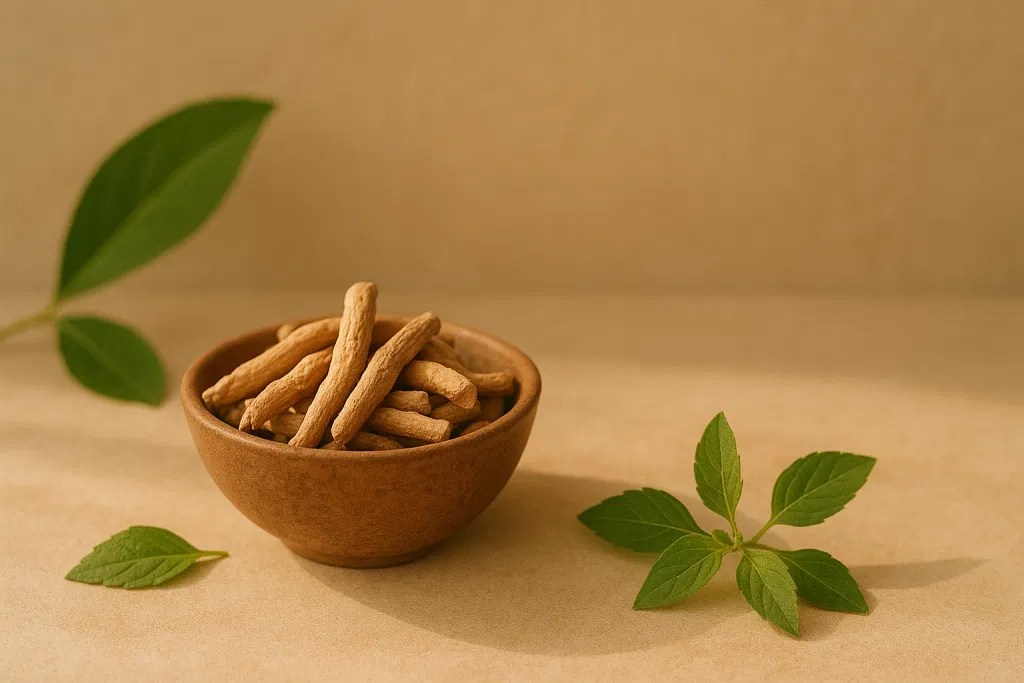
Jatamansi is a deeply grounding root that acts as a natural sedative for the nervous system. It is specifically indicated for conditions of extreme restlessness, heart palpitations, and chronic insomnia. By stabilizing the Vata energy in the head, Jatamansi allows the spirit to descend into a state of profound tranquility and stillness.
5. Gotu Kola (Centella asiatica)
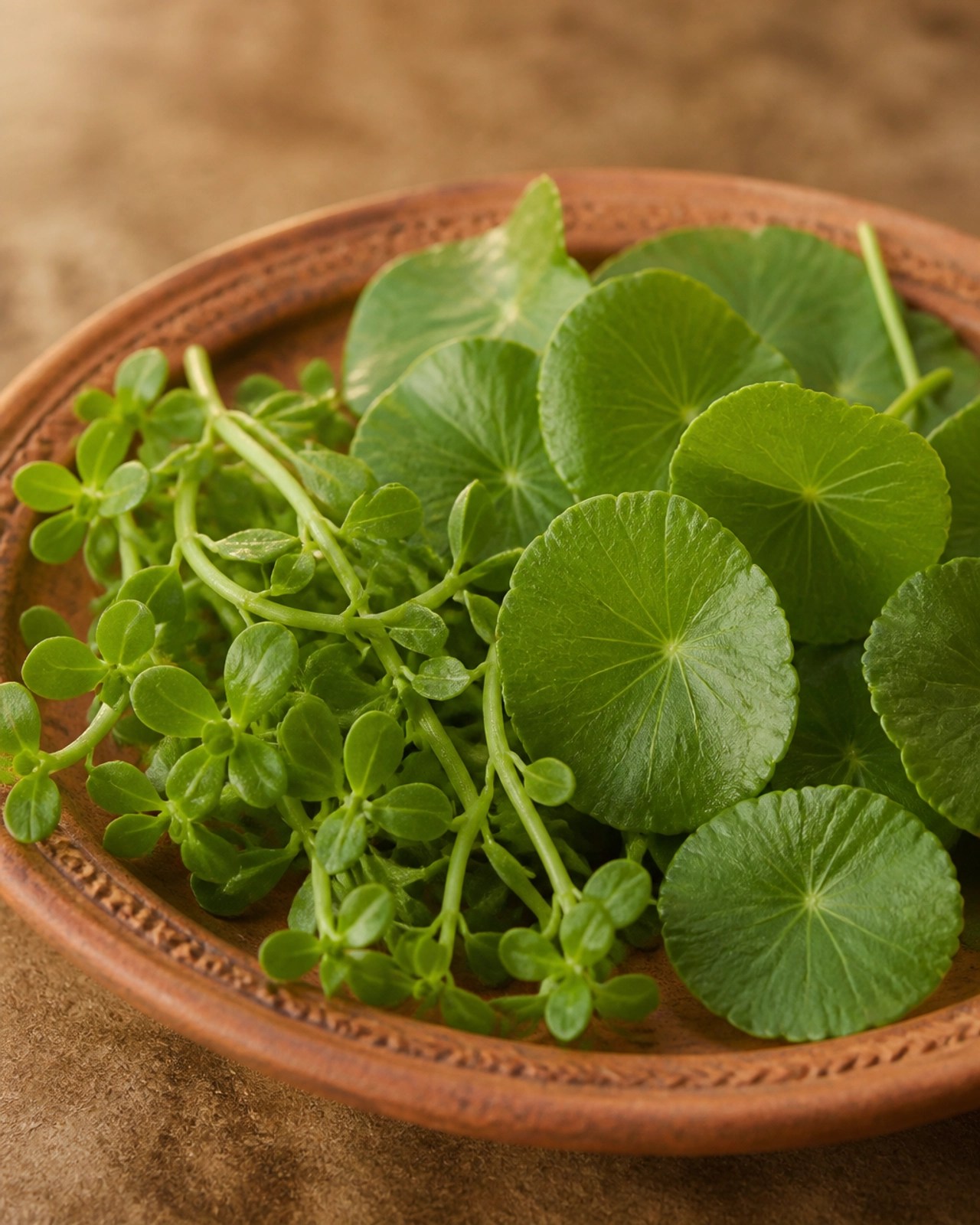
Often confused with Brahmi due to their similar cognitive benefits, Gotu Kola is a cooling herb that nourishes the brain and the skin. It is particularly effective at balancing emotional instability and clearing the "heat" of stress from the system. Its leaves are thought to resemble the hemispheres of the brain, a signature that reflects its affinity for neurological health.
6. Tulsi (Ocimum sanctum)
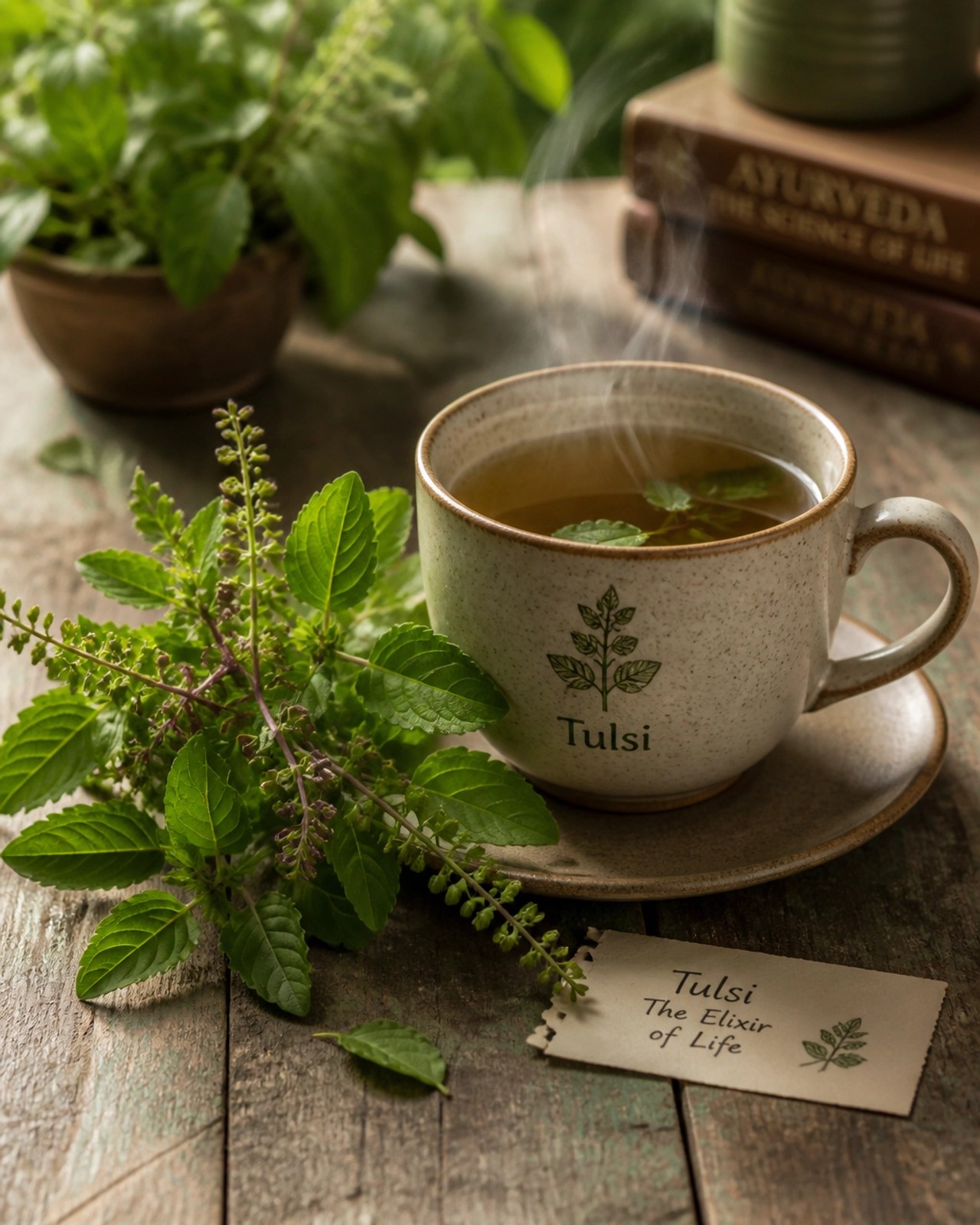
Tulsi, or Holy Basil, is revered as a sacred plant in the Vedic tradition. As an adaptogen, it helps the body adapt to various forms of stress: physical, chemical, and metabolic. Tulsi promotes mental clarity and resilience while protecting the heart from the deleterious effects of chronic anxiety. Additionally, it possesses antimicrobial properties that support overall immune vitality.
7. Kapikacchu (Mucuna pruriens)
Kapikacchu is a unique botanical that contains a significant concentration of L-DOPA, a precursor to the neurotransmitter dopamine. Consequently, it is highly effective at supporting mood regulation and motor function. It nourishes the Majja Dhatu and provides a stable foundation for the nervous system, particularly for those experiencing tremors or motor instability.
8. Vacha (Acorus calamus)
The name "Vacha" translates to "speech," indicating its traditional use in improving vocal expression and clearing the mind of "fog" or stagnation. It is a potent herb that should be used under professional guidance, as it possesses a sharp and penetrating quality that can awaken a dull intellect and sharpen the senses.
9. Bala (Sida cordifolia)
Bala, which means "strength" in Sanskrit, is traditionally utilized to fortify the muscles and the nerves. It is particularly indicated for those experiencing physical weakness or nerve pain. By pacifying Vata, Bala helps to build the body’s innate resilience and vitality, ensuring that the nervous system is not easily overwhelmed by external pressure.
10. Bhringaraj (Eclipta alba)
While primarily known for its benefits to hair health, Bhringaraj is also a powerful nervine. It possesses a cooling energy that pacifies Pitta and Vata, making it useful for reducing the mental heat associated with anger and frustration. It is often used in herbal oils to facilitate a calm mind and deep sleep.
11. Shatavari (Asparagus racemosus)
Shatavari is traditionally regarded as a tonic for the female reproductive system; however, its benefits extend far beyond that. It is a deeply nourishing and cooling root that provides emotional stability and reduces anxiety. Its "juicy" nature helps to counteract the dryness of an aggravated Vata dosha, bringing moisture and softness back to the nervous system.
12. Licorice (Glycyrrhiza glabra)
Known as Yashtimadhu in Ayurveda, Licorice is a harmonizing herb that supports the adrenal glands. In the context of a nervous system reset, it helps to modulate the "fight or flight" response. It is often included in herbal formulations to synergize other ingredients and to soothe the mucous membranes of the body.
13. Jyotishmati (Celastrus paniculatus)
Known as the "Intellect Tree," the oil from Jyotishmati seeds is used to improve concentration and cognitive sharpness. It is a warming herb that stimulates the flow of intelligence and clears toxins from the neurological pathways. Due to its potency, it is traditionally administered in very small, controlled doses.
14. Kushmanda (Benincasa hispida)
Kushmanda, or Winter Melon, is a unique fruit that is considered highly cooling and alkalizing. In Ayurveda, it is utilized as a Medhya Rasayana to treat mental exhaustion and promote a sense of internal peace. It is particularly beneficial for those who feel "burned out" by the heat of intense intellectual work.
15. Guduchi (Tinospora cordifolia)
Guduchi is often referred to as "Amrit," the nectar of immortality. It is a powerful immunomodulator that also has a significant impact on the nervous system. Guduchi helps the body clear out the cellular debris caused by chronic stress, thereby restoring the clarity of the mind and the resilience of the physical form.
Integrating Botanical Wisdom for Lasting Harmony
The introduction of these fifteen herbs into one's daily life should not be viewed as a temporary measure, but rather as a step toward a more sustainable and balanced existence. To maximize the benefits of these plants, one must also consider the role of nutrition. For example, individuals with a high Vata constitution may find that consuming best foods for Vata balance provides the necessary structural support for the nervous system to remain calm.
Furthermore, it is essential to approach herbal therapy with patience. Unlike pharmaceutical interventions that often provide immediate but superficial results, Ayurvedic herbs work by addressing the underlying imbalances within the tissues. This process of deep rejuvenation requires consistency and a commitment to holistic self-care.
Practical Strategies for a Nervous System Reset
To effectively "reset" the nervous system, consider the following instructional strategies:
- Morning Infusions: Begin the day with a gentle tea composed of Tulsi and Licorice to support the adrenals before the day's stressors commence.
- Evening Rituals: Incorporate Ashwagandha or Jatamansi into a warm cup of milk (or a dairy alternative) before bed to signal to the nervous system that it is safe to enter a state of rest.
- Topical Application: Utilize oils infused with Brahmi or Bhringaraj for a rhythmic scalp massage (Shiroabhyanga), which directly calms the brain and the nerves.
Consequently, by combining the precision of botanical medicine with the wisdom of Ayurvedic lifestyle principles, one can navigate the complexities of modern existence with grace and equilibrium.

Conclusion
The path to nervous system resilience is not found in a single "miracle" herb, but in the harmonious integration of multiple healing plants that address the unique needs of the individual. Whether one is seeking to sharpen the intellect with Brahmi or to find deep rest with Jatamansi, the Ayurvedic pharmacopeia offers a sophisticated and time-tested approach to mental health. By honoring these ancient botanical allies, we may achieve a state of lasting vitality and peace in an ever-changing world.