
The pursuit of health in the contemporary era often focuses on the mitigation of symptoms rather than the cultivation of foundational equilibrium. In contrast, Ayurveda: a Sanskrit term signifying the "Science of Life": offers a primordial framework for existence that prioritizes the preservation of harmony between the individual and the cosmos. This ancient wisdom, which has endured for over five millennia, provides a comprehensive methodology for achieving vitality through conscious living and rhythmic alignment with natural cycles. For those beginning their journey into this holistic discipline, the path necessitates a shift in perspective: from viewing the body as a machine to recognizing it as a sacred vessel of conscious energy.
The Philosophical Foundation: Understanding Doshas and Agni
To integrate Ayurvedic principles into one’s existence, one must first comprehend the concept of the Doshas. According to traditional texts, the universe is composed of five great elements: space, air, fire, water, and earth: which manifest within the human physiology as three primary energetic forces: Vata, Pitta, and Kapha. These Doshas govern all biological and psychological functions. Vata, the principle of movement, is associated with air and space; Pitta, the principle of transformation, is linked to fire and water; and Kapha, the principle of structure and lubrication, is composed of water and earth.

Every individual possesses a unique constitution, or Prakriti, determined at the moment of conception. When these forces exist in their natural proportions, the individual experiences optimal health and mental clarity. Conversely, an imbalance: known as Vikriti: often results from environmental stressors, improper diet, or erratic schedules. Furthermore, central to this delicate balance is Agni, or the digestive fire. Agni is not merely limited to the stomach; it represents the metabolic power required to transform food, experiences, and emotions into nourishment. A robust Agni ensures that nutrients are absorbed efficiently while metabolic waste, or Ama, is successfully eliminated. Consequently, the primary objective of an Ayurvedic lifestyle is to stoke this internal fire while pacifying any aggravated Doshas.
Establishing Order: The Practice of Dinacharya
In the Ayurvedic tradition, the concept of Dinacharya, or daily routine, serves as a cornerstone for maintaining long-term resilience. By establishing a predictable rhythm, the nervous system is permitted to enter a state of repose, thereby reducing the physiological impact of chronic stress. A beginner’s guide to natural wellness tips invariably starts with the sanctification of the morning hours.
The ideal morning routine commences with rising shortly before the sun, a period known as Brahma Muhurta, when the atmosphere is imbued with qualities of lightness and purity. Upon waking, one should engage in the practice of Jivha Nirlekhana, or tongue scraping. This simple yet profound action removes the coating of Ama that accumulates during the nocturnal detoxification process, thereby enhancing the sense of taste and stimulating the digestive organs. Following this, the consumption of warm water serves to hydrate the tissues and encourage regular elimination, which is regarded as a vital indicator of intestinal health.
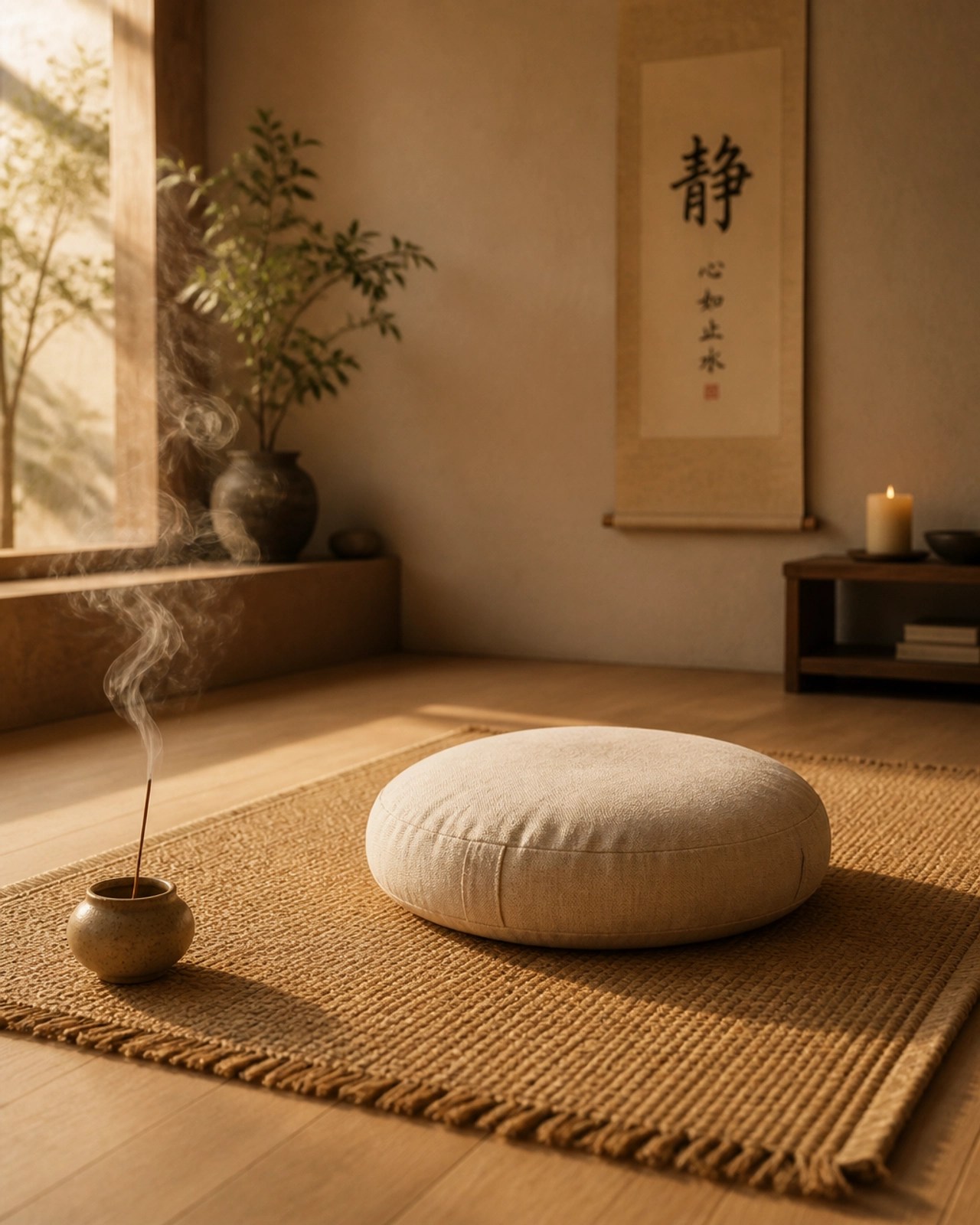
As one progresses through the morning, incorporating gentle movement and stillness is essential. For many, this involves the practice of Pranayama (breath control) and meditation to cultivate mental equanimity. These Ayurvedic routines for modern life do not require excessive time; rather, they demand consistency. By dedicating even fifteen minutes to contemplative silence, an individual establishes a baseline of tranquility that persists throughout the challenges of the workday.
The Alchemy of Nourishment: Ayurvedic Dietary Principles
Dietary habits in Ayurveda transcend the mere calculation of caloric intake, focusing instead on the qualitative nature of the food and the environment in which it is consumed. The fundamental directive for a beginner is to favor "Sattvic" foods: those that are fresh, organic, and minimally processed. Such foods are believed to increase Ojas, the subtle essence of vitality and immunity.

One of the most significant adjustments a novice can make is to synchronize their largest meal with the apex of the sun’s trajectory. Between 12:00 PM and 1:00 PM, the solar energy is at its peak, and correspondingly, the human Agni is most potent. Consuming a substantial, warm lunch during this window facilitates superior digestion and prevents the sluggishness often associated with heavy evening meals. Additionally, it is recommended to avoid ice-cold beverages, as they act to extinguish the digestive fire, much like pouring cold water onto a flickering hearth.
Furthermore, the wisdom of seasonal eating in Ayurveda suggests that one should modify their intake based on the external environment. During the cold, dry months of winter, the body requires grounding, oily, and warming foods like root vegetable stews and spiced grains to counteract the atmospheric Vata. Conversely, during the height of summer, cooling ingredients such as cucumber, coconut, and cilantro help to pacify the inflammatory potential of Pitta.
Strategies for Individual Dosha Balancing
While general principles provide a solid foundation, the true efficacy of Ayurveda is found in its personalization. As beginners become more attuned to their internal states, they may observe specific tendencies that require targeted intervention.
Harmonizing Vata
Those who experience a predominance of Vata may struggle with anxiety, dry skin, or irregular digestion. To foster stability, these individuals should prioritize warmth and moisture. Incorporating healthy fats, such as ghee or sesame oil, into the diet is highly beneficial. Similarly, maintaining a strictly regular schedule for sleep and meals provides the "earthy" container that the mobile nature of Vata requires for grounding.
Soothing Pitta
Individuals with a Pitta nature often possess a sharp intellect and a high metabolic rate but are prone to irritability and inflammatory conditions. The strategy for Pitta balance involves cooling and moderation. One should avoid excessively spicy or fermented foods, which further exacerbate internal heat. Engaging in calming activities, such as walking in nature or practicing moonlight meditation, assists in diffusing the intensity of this fire-dominant constitution.

Stimulating Kapha
The Kapha constitution is characterized by strength and endurance, yet it is susceptible to lethargy and congestion when out of balance. To counteract the heavy and cool qualities of Kapha, one must introduce stimulation and warmth. Pungent spices: such as ginger, black pepper, and cinnamon: are excellent for invigorating the metabolism. Furthermore, vigorous physical activity and the avoidance of daytime naps are crucial strategies to prevent the accumulation of stagnation.
Integrating Ancient Wisdom into Contemporary Existence
The transition toward an Ayurvedic lifestyle need not be an abrupt or overwhelming endeavor. Rather, it is a gradual process of refinement and self-observation. One might begin by simply ensuring that every meal is consumed in a state of mindfulness, free from the distractions of digital devices. This intentionality allows the body to signal satiety accurately and fosters a deeper appreciation for the nourishment provided by the earth.
Moreover, the integration of adaptogenic herbs, such as Ashwagandha or Triphala, can support the body’s innate ability to maintain homeostasis. However, these should be viewed as adjuncts to a disciplined lifestyle rather than substitutes for it. The objective is to create a life that is inherently supportive of health, where wellness is not a destination but a continuous state of being.
In conclusion, the Ayurvedic lifestyle for beginners is a journey toward self-mastery and biological harmony. By honoring the rhythms of Dinacharya, supporting the potency of Agni, and respecting the unique requirements of one’s Dosha, an individual can achieve a profound sense of well-being that transcends physical health. This ancient system teaches that when we live in accordance with the laws of nature, we are rewarded with clarity, vitality, and an enduring sense of peace.