
In the contemporary landscape of holistic medicine, the transition from an individual practitioner to a recognized professional often hinges upon the structural support one chooses to embrace. As the global interest in traditional healing systems intensifies, the role of an Ayurveda association becomes increasingly pivotal. Such an organization serves not merely as a registry of names, but as a foundational pillar that supports the integrity, growth, and ethical conduct of the entire Ayurvedic community. For the dedicated practitioner, student, or institutional leader, membership in a professional body offers a transformative path toward higher standards and sustainable success.
The practice of Ayurveda, rooted in millennia of profound wisdom, requires a delicate balance between ancient tradition and modern professional requirements. To navigate this complexity effectively, one must recognize that isolation is often the greatest barrier to excellence. By aligning oneself with a reputable Ayurveda association, a practitioner secures access to a wealth of resources, a network of esteemed peers, and a collective voice that advocates for the recognition and advancement of this sacred science on a global scale.
The Elevation of Professional Credibility and Public Trust
One of the most significant advantages of affiliating with an Ayurveda association is the immediate enhancement of professional credibility. In a marketplace where wellness seekers are increasingly discerning, the presence of a formal endorsement from a recognized body serves as a powerful signal of quality and commitment. Membership often permits the use of the association’s insignia on marketing materials, which acts as a visual shorthand for competence and adherence to established educational criteria.
Furthermore, many associations maintain a public directory of members. These directories are essential tools for visibility, allowing potential clients to locate practitioners who have been vetted for their training and ethical standing. This transparency builds a bridge of trust between the practitioner and the public. When a wellness seeker observes that a professional is part of a larger, regulated community such as the Ayurveda Alliance, they feel a heightened sense of security in the care they are about to receive. Credibility, in this context, is not merely a personal attribute but a professional asset cultivated through communal accountability.
The Cultivation of a Global Collaborative Community
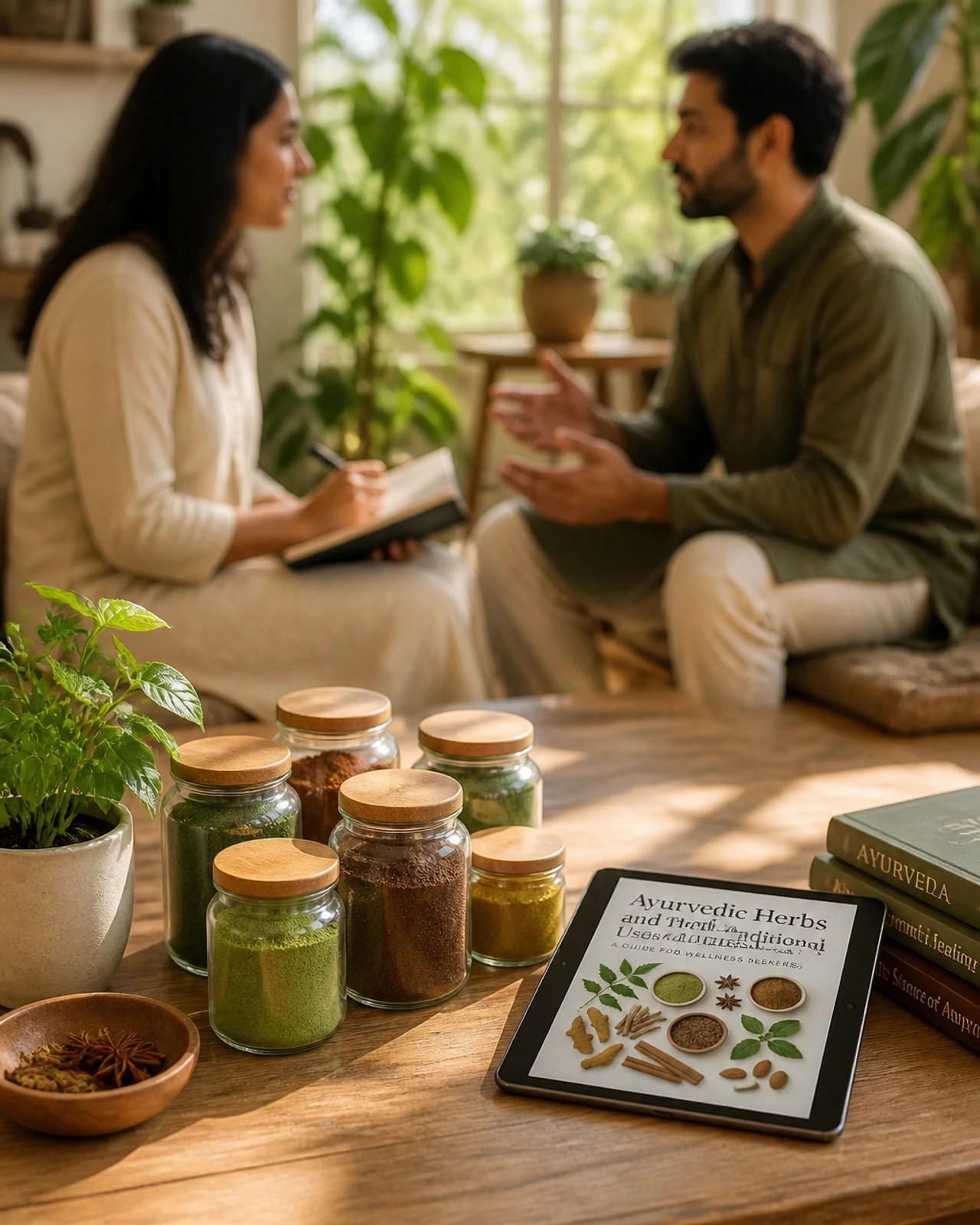
The path of the healer can frequently feel solitary, particularly when practicing in regions where traditional medicine is still establishing its foothold. An Ayurveda association serves as a vital nexus for human connection and intellectual exchange. Within these organizations, practitioners find a supportive environment where they can share case studies, discuss complex clinical presentations, and offer mutual encouragement. This collaborative spirit is essential for fostering "prana" or vitality within the profession itself.
Through conferences, seminars, and digital forums, members are introduced to a diverse array of perspectives. Newer practitioners may find mentorship opportunities with seasoned experts, while established clinicians benefit from the fresh insights of the next generation. This intergenerational and cross-cultural dialogue ensures that the practice remains dynamic and resilient. By engaging with organizations like the Minnesota Ayurveda Association or the Texas Ayurveda Association, individuals contribute to a collective intelligence that far exceeds the capacity of any single practitioner.
Upholding Clinical Ethics and Operational Standards
The integrity of Ayurveda is maintained through the rigorous application of ethical principles and clinical standards. An Ayurveda association plays a crucial role in defining and disseminating these benchmarks. Ethics in this field involve more than just moral intentions; they encompass a profound responsibility toward patient safety, informed consent, and the preservation of the traditional knowledge base.
Associations often develop a comprehensive code of ethics that members must pledge to uphold. This framework provides clarity on complex issues, such as the appropriate scope of practice and the ethical marketing of services. Furthermore, by standardizing the expectations for clinical conduct, associations help to prevent the dilution of Ayurvedic principles. This commitment to "Dharma," or right action, ensures that the practice remains a respected and reliable branch of integrative medicine. Organizations such as the National Ayurvedic Association Standards Council (NAASC) are instrumental in this pursuit of excellence.
Advancing Knowledge Through Continuous Research and Education
In the pursuit of holistic health, education is a lifelong journey. The landscape of wellness is constantly evolving as new research emerges to validate and expand upon traditional understandings. An Ayurveda association provides its members with curated access to the latest developments in the field. This may include subscriptions to scholarly journals, access to proprietary research databases, and invitations to exclusive continuing education programs.
At the Ayurveda Alliance, our commitment to research is a primary pillar of our mission. We believe that by integrating scientific inquiry with ancient wisdom, we can enhance the efficacy and acceptance of Ayurvedic therapies. For the practitioner, staying informed about current studies on topics such as ayurvedic routines for modern life or the efficacy of specific herbs is essential for providing evidence-informed care. Continuous learning is not merely a professional requirement; it is a means of maintaining "Tejas," or the fire of intellect and clarity.
Navigating the Regulatory and Legal Landscape
The regulatory environment for Ayurvedic practice varies significantly across different jurisdictions. Navigating these legal complexities can be a daunting task for an individual. An Ayurveda association acts as a vigilant guardian, monitoring legislative changes and providing members with necessary guidance on compliance and advocacy.
Some associations maintain legal defense funds or offer consultation services to help practitioners understand their rights and responsibilities. By speaking with a unified voice, these organizations can influence policy-making at local and national levels, advocating for the recognition of Ayurveda as a valid and valuable component of the healthcare system. This collective advocacy is crucial for ensuring the long-term viability and expansion of the profession. Participation in such efforts allows practitioners to contribute to the "Sthira," or stability, of the entire Ayurvedic ecosystem.
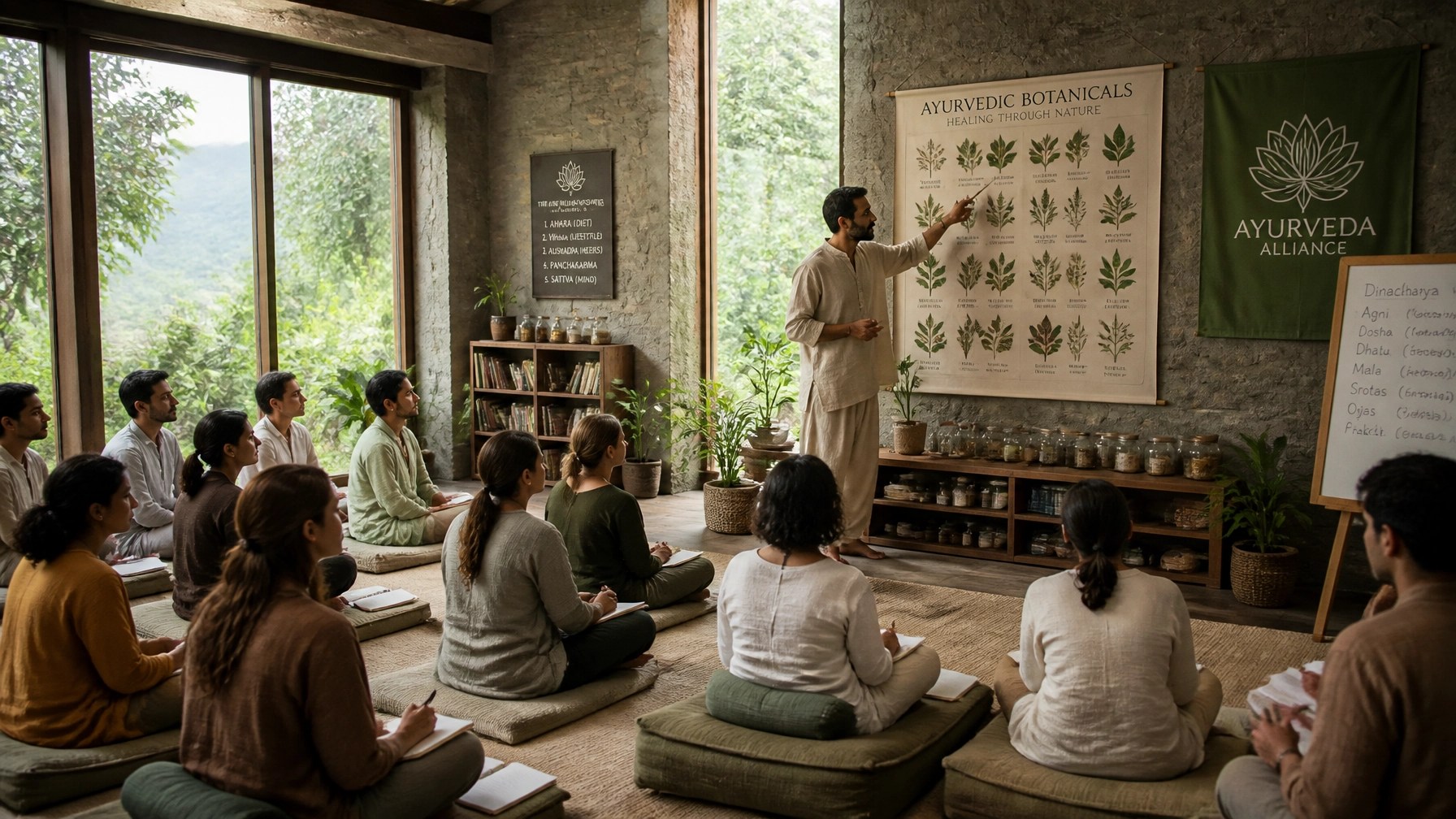
Conclusion: The Enduring Resonance of a United Field
In conclusion, joining an Ayurveda association is not merely a logistical step, but a profound commitment to the health and longevity of one's professional practice. It offers a unique confluence of credibility, community, ethics, and education that is indispensable in the modern era. By stepping into this structured environment, practitioners align themselves with the highest ideals of the tradition while gaining the practical tools necessary for contemporary success.
The benefits of such affiliation extend far beyond the individual, contributing to a global movement that honors the sanctity of life and the pursuit of harmony. We invite all who are dedicated to this path to explore the opportunities for engagement and support within our global community. Together, we can ensure that the light of Ayurveda continues to shine brightly, guiding humanity toward a state of balanced vitality and enduring wellness.